
Temperature Resistance Testing for Vent Membranes
Ventrase temperature resistance testing evaluates waterproof breathable vent membrane performance under extreme heat, cold and thermal cycling conditions.
Explore Ventrase Technology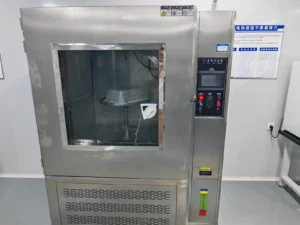
What Is Temperature Resistance Testing?
Temperature resistance testing evaluates whether vent membranes maintain structural stability, waterproof protection and airflow capability under high and low temperature environments.
High Temperature Resistance
Evaluates membrane stability under elevated temperatures and continuous heat exposure to ensure reliable vent performance.
Low Temperature Performance
Verifies membrane flexibility, sealing performance and durability in cold environmental conditions.
Thermal Cycling Reliability
Tests repeated temperature changes to confirm long-term product reliability and structural stability.
Ventrase Temperature Resistance Testing Process
Ventrase performs temperature resistance testing to verify that waterproof breathable membranes maintain stable performance under extreme thermal environments.
Temperature Resistance Testing Methods
Professional thermal testing confirms vent membrane reliability by evaluating temperature stability, waterproof protection and airflow performance.
High Temperature Testing
Evaluates membrane performance under continuous heat exposure and verifies material stability during high temperature operation.
Low Temperature Testing
Tests flexibility, sealing performance and mechanical reliability in cold environments.
Thermal Cycling Verification
Measures performance changes after repeated heating and cooling cycles to ensure long-term reliability.
Temperature Resistance Testing Applications
Temperature resistance testing supports applications where waterproof breathable vent membranes must maintain stable performance under changing environmental conditions.
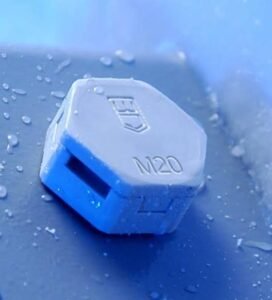
Automotive Electronics
Automotive sensors and electronic modules experience extreme temperature changes. Reliable vent membranes help protect components while maintaining pressure balance.
View Products →
Battery Enclosures
Battery systems require stable venting performance during heating, cooling and thermal cycling conditions.
Explore Technology →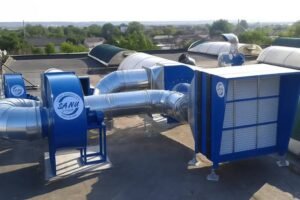
Outdoor Industrial Equipment
Outdoor devices need waterproof breathable protection that performs reliably across seasonal temperature variations.
View Solutions →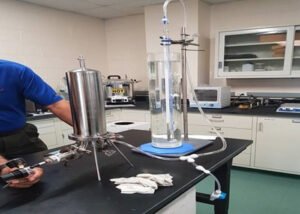
Temperature Performance Verification
After thermal testing, Ventrase evaluates waterproof protection, airflow capability and structural reliability to ensure consistent vent membrane performance.
Temperature Resistance Performance Comparison
Thermal testing helps compare membrane performance under different environmental temperature conditions and verifies long-term reliability.
| Performance | Standard Vent Membrane | Temperature Tested Vent Membrane |
|---|---|---|
| High Temperature Stability | Basic thermal resistance | Verified heat resistance performance |
| Low Temperature Flexibility | Limited cold performance | Improved cold environment reliability |
| Thermal Cycling | General durability | Validated repeated temperature change resistance |
| Outdoor Reliability | Standard protection | Enhanced environmental durability |
Frequently Asked Questions
What is temperature resistance testing?
Temperature resistance testing evaluates whether vent membranes maintain waterproof, breathable and structural performance under high and low temperature conditions.
Why do vent membranes require thermal testing?
Temperature changes may affect material structure, sealing performance and airflow characteristics. Thermal testing verifies long-term reliability.
Can ePTFE membranes work in extreme temperatures?
Yes. ePTFE membranes are widely used in applications requiring stable performance across broad temperature ranges.
Which products need temperature resistance testing?
Typical applications include automotive electronics, battery systems, industrial sensors, outdoor equipment and communication devices.
Advanced Temperature Resistance Testing Solutions
Ventrase provides thermal testing and waterproof breathable vent solutions to help customers improve product reliability in demanding environments.
Explore Technology View Vent Products