
ePTFE Membrane Knowledge Center
Explore the technology behind expanded PTFE membranes. Learn how ePTFE works, why it is waterproof and breathable, and how it enables advanced venting solutions for industrial applications.
Explore Ventrase SolutionsUnderstanding ePTFE Membrane Technology
Expanded PTFE (ePTFE) is an advanced microporous membrane material created by expanding polytetrafluoroethylene. Its unique structure contains billions of microscopic pores, allowing air and vapor to pass through while preventing liquid water and contaminants from entering.
Because of its excellent chemical resistance, temperature stability and waterproof breathable performance, ePTFE membranes are widely used in packaging vents, electronics protection, battery systems and industrial applications.
What Is ePTFE Membrane?
Expanded PTFE With Microporous Structure
ePTFE membrane is produced by stretching PTFE material to create a three-dimensional network of microscopic pores. These pores provide controlled air exchange while maintaining protection against water, dust and chemical contamination.
For venting applications, ePTFE offers the ideal balance between pressure equalization, water resistance and long-term reliability.
Why Choose ePTFE For Venting Applications?
Waterproof Protection
The microporous structure prevents liquid water penetration while allowing gas molecules to pass through.
Breathable Performance
ePTFE enables continuous airflow and pressure equalization to protect sealed products.
Chemical Resistance
ePTFE maintains stable performance when exposed to aggressive chemicals and harsh environments.
ePTFE Membrane Benefits
Pressure Equalization
Balances internal and external pressure changes, reducing deformation and leakage risks.
Learn More →Waterproof Breathable Technology
Allows air exchange while protecting against moisture and environmental contamination.
Learn More →Long-Term Reliability
Designed for demanding industrial environments requiring stable venting performance.
Learn More →ePTFE Knowledge Articles
Explore our ePTFE membrane learning resources. These technical guides explain the fundamentals, manufacturing process, performance advantages and industrial applications of expanded PTFE membrane technology.
What Is ePTFE?
Learn the basic structure, properties and advantages of expanded PTFE membrane technology.
Read Guide →How Is ePTFE Made?
Understand the manufacturing process that creates the unique microporous structure of ePTFE.
Read Guide →Why Is ePTFE Waterproof?
Discover how ePTFE provides waterproof protection while maintaining excellent breathability.
Read Guide →ePTFE Applications
Explore where ePTFE membranes are used in packaging, electronics, batteries and industrial products.
Read Guide →ePTFE Selection Guide
Learn how to choose the right ePTFE membrane based on airflow, protection and environment.
Read Guide →ePTFE vs Other Membranes
Compare ePTFE with PE membrane and other breathable material technologies.
Read Guide →What Is ePTFE?
Expanded Polytetrafluoroethylene Membrane
ePTFE stands for expanded polytetrafluoroethylene. It is created by stretching PTFE material under controlled conditions to form a highly porous three-dimensional structure.
The resulting membrane contains billions of microscopic pores. These pores are small enough to block liquid water, but large enough to allow air and vapor transmission.
This unique structure makes ePTFE an ideal solution for waterproof breathable venting applications.
Key Characteristics of ePTFE
- Microporous membrane structure
- Excellent waterproof performance
- High air permeability
- Chemical resistance
- Wide temperature resistance range
- Long-term stability
How Is ePTFE Made?
The Expansion Process Creates Micropores
The manufacturing process begins with PTFE resin. Through special stretching technology, the PTFE material expands and forms a network structure containing interconnected micropores.
The size and distribution of these pores determine important performance characteristics including:
- Airflow rate
- Water entry pressure
- Breathability
- Protection level
For venting applications, manufacturers optimize the membrane structure to achieve the required balance between airflow and environmental protection.
Learn More About ePTFE Technology →Why Is ePTFE Waterproof?
Microporous Structure Blocks Liquid Water
Although ePTFE contains millions of pores, the pore size is much smaller than water droplets. This prevents liquid water from passing through the membrane surface.
At the same time, air molecules and water vapor can move through the membrane structure. This creates the unique waterproof breathable effect.
Water Resistance
Protects sensitive products from rain, moisture and liquid contamination.
Air Exchange
Allows pressure balance between inside and outside environments.
Contamination Protection
Helps reduce penetration of dust, particles and environmental contaminants.
ePTFE Membrane Properties
High Breathability
Provides efficient airflow performance for pressure equalization applications.
Chemical Resistance
Maintains performance when exposed to chemicals, oils and industrial environments.
Temperature Stability
Suitable for applications requiring stable performance under temperature changes.
Low Maintenance
Designed for long service life without regular replacement.
Lightweight Design
Provides advanced protection with minimal impact on product weight.
Reliable Protection
Supports demanding industrial applications requiring consistent venting performance.
ePTFE Membrane Applications
Because of its waterproof breathable performance, chemical resistance and long-term stability, ePTFE membrane technology is widely used in many industries requiring reliable pressure equalization and environmental protection.
Ventrase develops advanced venting solutions based on ePTFE membrane technology for packaging, electronics, battery systems and industrial applications.
Chemical Packaging
Chemical containers often experience pressure changes caused by temperature variation, transportation and chemical reactions.
ePTFE vents allow controlled gas exchange while helping prevent leakage, container deformation and contamination.
Explore Chemical Packaging →Agrochemical Packaging
Pesticides, fertilizers and agricultural chemicals require safe packaging solutions with reliable pressure control.
ePTFE vent plugs help reduce swelling, leakage risks and improve storage safety.
Explore Agrochemical Solutions →Lubricant Containers
Lubricant and oil containers require breathable sealing solutions to maintain package integrity.
Explore Solutions →ePTFE For Electronics Protection
Protecting Sensitive Electronic Components
Electronic devices with sealed housings may experience pressure differences caused by temperature changes, altitude variation and internal heat generation.
ePTFE vents provide continuous air exchange while helping protect electronics from water, dust and environmental contaminants.
Enclosure Venting
Maintains pressure balance in electronic housings without compromising protection performance.
Waterproof Protection
Supports IP-rated enclosure designs requiring breathable waterproof protection.
Component Reliability
Reduces stress caused by pressure fluctuation and moisture exposure.
ePTFE Venting For Battery Systems
Pressure Equalization For Modern Energy Storage
Battery modules and energy storage systems generate heat and gases during operation. Without proper venting, pressure buildup may affect system reliability and safety.
ePTFE battery vents provide controlled gas exchange while protecting battery enclosures from moisture and contaminants.
Battery Module Protection
Designed for EV batteries, energy storage systems and battery packs.
Thermal Management Support
Helps reduce pressure stress caused by temperature fluctuations.
Long-Term Durability
Maintains stable performance under demanding operating environments.
Automotive Applications
Automotive components require reliable protection against water, dust and pressure variation.
ePTFE vent membranes are used in lighting systems, sensors, electronic control units and other automotive components requiring breathable protection.
Automotive Lighting
Balances pressure inside headlights and lamps to reduce condensation problems.
Automotive Electronics
Protects sensors and control modules from environmental stress.
Outdoor Components
Provides waterproof breathable protection for exposed applications.
Industrial Applications
Many industrial products require reliable venting to maintain performance and safety.
Industrial Equipment
Pressure equalization for machinery, devices and sealed assemblies.
Chemical Equipment
Chemical-resistant venting solutions for challenging environments.
Outdoor Products
Protection against moisture, dust and environmental exposure.
ePTFE Membrane Selection Guide
Choosing the correct ePTFE vent solution depends on application requirements including airflow, water protection level, chemical exposure, installation method and operating environment.
1. Determine Airflow Requirement
Select suitable airflow performance according to container volume and pressure change speed.
2. Evaluate Protection Level
Consider waterproof requirements, dust protection and environmental conditions.
3. Choose Installation Method
Different applications may require press-fit vents, threaded vents or vent liners.
4. Consider Chemical Compatibility
Select membrane materials according to chemical contact and application conditions.
5. Confirm Testing Requirements
Verify airflow, water entry pressure, IP protection and reliability testing.
6. Request Technical Support
Ventrase engineers can help select the right venting solution for your application.
Contact Ventrase →Recommended Ventrase ePTFE Venting Solutions
Explore Ventrase products designed with advanced ePTFE membrane technology for pressure equalization, waterproof breathable protection and industrial venting.
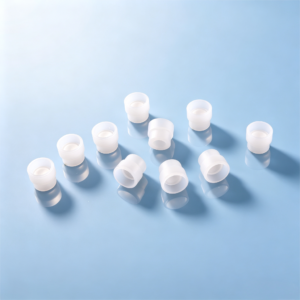
D10 Press-Fit ePTFE Vent Plug
Compact press-fit vent solution for small containers requiring reliable waterproof breathable performance.
View Product →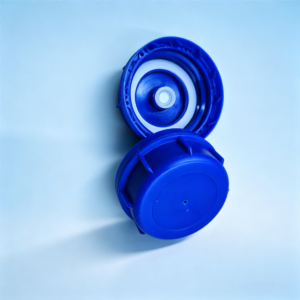
D15 ePTFE Vent Plug
A versatile vent plug solution for chemical packaging, industrial containers and pressure equalization.
View Product →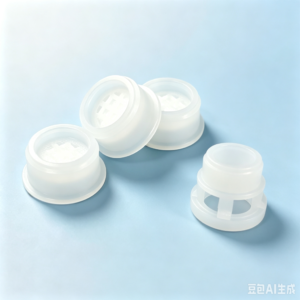
D17 Press-Fit ePTFE Vent Plug
Designed for applications requiring high airflow, water resistance and stable performance.
View Product →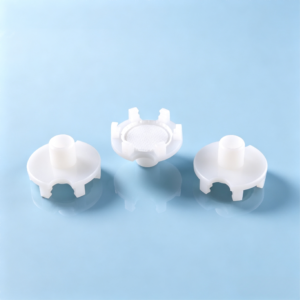
D38 Drum ePTFE Vent Plug
Large container vent solution for drums, chemical containers and industrial packaging.
View Product →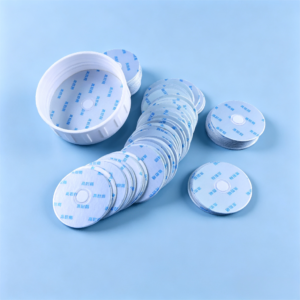
ePTFE Vent Liners
Breathable sealing solutions for bottles, caps and packaging systems.
View Products →
Waterproof Breathable Membrane
Advanced membrane materials for customized venting applications.
View Materials →Technical Resources
Learn more about Ventrase testing methods, material technology and venting design principles.
Water Entry Pressure Testing
Evaluate waterproof performance and protection capability of vent membranes.
Learn More →Chemical Resistance Testing
Learn how materials perform in demanding chemical environments.
Learn More →IP Protection Testing
Explore waterproof and dust protection testing for industrial applications.
Learn More →Frequently Asked Questions About ePTFE Membrane
What is ePTFE membrane?
ePTFE membrane is an expanded polytetrafluoroethylene material with a microporous structure. It allows air and vapor transmission while blocking liquid water.
Why is ePTFE waterproof and breathable?
The microscopic pores of ePTFE are designed to block water droplets while allowing air molecules and water vapor to pass through.
Where are ePTFE membranes used?
ePTFE membranes are widely used in chemical packaging, electronics, battery systems, automotive components and industrial equipment.
How do I choose the right ePTFE vent?
Selection depends on airflow requirements, container volume, chemical compatibility, installation method and environmental conditions.
Need Help Selecting An ePTFE Vent Solution?
Ventrase provides technical support for selecting the right vent plug, vent liner and membrane solution for your application.
Request Technical Consultation