
Pressure Equalization in Vent Membranes
Pressure equalization is a critical function of waterproof breathable vent membranes. By allowing controlled air exchange, vent membranes balance internal and external pressure changes caused by temperature fluctuations, altitude variation, and environmental conditions.
This technology helps prevent enclosure deformation, seal damage, leakage, and mechanical stress in packaging, electronics, automotive, and industrial applications.
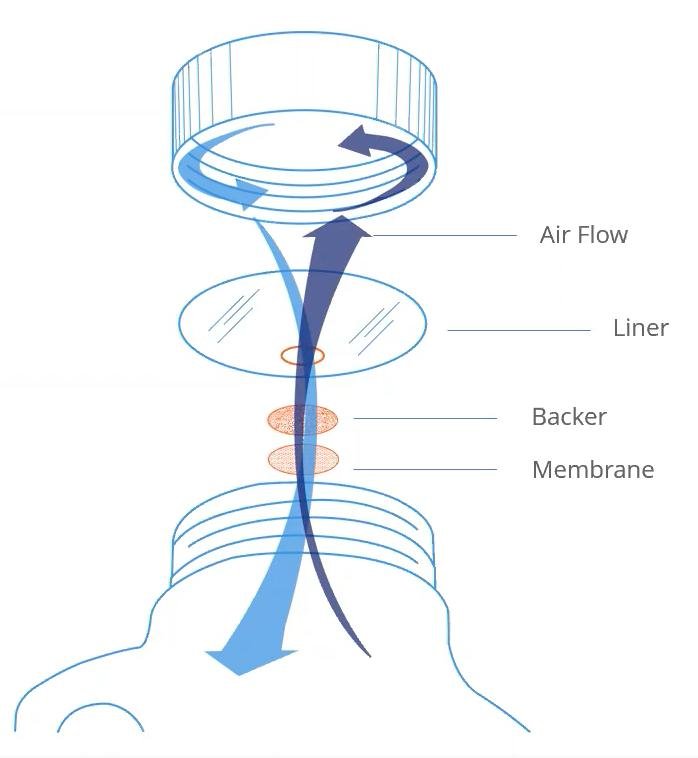
What Is Pressure Equalization?
Pressure equalization is the process of balancing pressure differences between the inside and outside of a sealed enclosure. When environmental conditions change, gases expand or contract, creating pressure variations that may damage the product structure.
Temperature Changes
Heating increases internal gas expansion while cooling reduces pressure. Vent membranes allow air exchange to maintain balance.
Altitude Variation
Transportation by air or changes in outdoor elevation create atmospheric pressure differences.
Controlled Airflow
Microporous membranes provide a controlled pathway for gas movement while blocking liquids and contaminants.
Stable Pressure
Balanced pressure reduces stress on housings, seals, and packaging structures.
Why Pressure Equalization Is Important
Many sealed products require protection from water and dust. However, completely sealed systems may experience pressure buildup or vacuum conditions during operation and transportation.
A waterproof breathable vent membrane solves this challenge by providing ventilation without sacrificing environmental protection.
Without Pressure Equalization
- Housing deformation
- Seal stress
- Leakage risk
- Condensation problems
- Reduced product reliability
Scientific Principle Behind Pressure Equalization
Pressure changes inside sealed systems are mainly caused by temperature variation, atmospheric pressure changes, and gas expansion or contraction. Vent membranes provide a controlled pathway that allows gases to move and stabilize the pressure difference.
Gas Expansion Principle
When temperature increases, gas molecules move faster and occupy more volume. In a sealed enclosure, this creates increased internal pressure. When temperature decreases, gas contracts and creates vacuum pressure.
Temperature ↓ → Gas Contraction → Vacuum Formation
Without Vent Membrane
A fully sealed enclosure cannot release excess pressure or compensate for vacuum conditions.
- Housing deformation
- Seal stress
- Component damage
- Leakage risk
With Vent Membrane
A waterproof breathable membrane allows controlled gas exchange while maintaining protection against water and contaminants.
- Stable internal pressure
- Reduced mechanical stress
- Improved reliability
- Longer product lifetime
How ePTFE Vent Membranes Achieve Pressure Balance
The microporous structure of ePTFE vent membranes creates millions of microscopic channels. These channels allow air molecules to pass while preventing water droplets and contaminants from entering.
Sealed Enclosure
Pressure changes occur
ePTFE Membrane
Controlled airflow path
Pressure Balance
Stable system operation
Microporous ePTFE Membrane Structure
Expanded PTFE (ePTFE) contains a unique network of microscopic pores. The pore structure is engineered to provide high airflow performance while maintaining waterproof protection.
- Air molecules can pass through
- Water droplets are blocked
- Dust particles are restricted
- Chemical resistance is maintained
Selective Permeability
↓
🔬 ePTFE Micropores
↓
💧 Water Blocked
This selective permeability enables ventilation without sacrificing environmental protection.
Engineering Factors Affecting Pressure Equalization
Enclosure Volume
Larger sealed volumes usually require higher airflow capacity to achieve faster pressure stabilization.
Temperature Range
Greater temperature cycles create larger pressure differences requiring reliable vent performance.
Response Time
The vent membrane must quickly respond to pressure changes during operation and transportation.
Membrane Selection
Different materials and structures provide different airflow, waterproof, and chemical resistance performance.
Why Pressure Equalization Matters
Pressure equalization plays an important role in protecting sealed products. Without controlled ventilation, pressure differences may cause mechanical stress, deformation, leakage, or reduced product reliability.
Prevents Housing Deformation
Pressure changes can create expansion or vacuum forces inside sealed housings. Vent membranes reduce these stresses by allowing controlled air exchange.
Protects Sealing Systems
Balanced pressure reduces stress on gaskets, seals, and connection interfaces, helping maintain long-term sealing performance.
Reduces Condensation
Breathable membrane technology helps manage moisture vapor and reduces the risk of internal condensation.
Maintains Protection Rating
Proper venting supports waterproof and dustproof protection requirements in demanding environments.
Pressure Equalization Applications
Waterproof breathable vent membranes are used across multiple industries where sealed systems require reliable pressure control and environmental protection.
Electronics Enclosures
Electronic devices experience temperature cycling during operation. Pressure equalization vents prevent housing stress while protecting against water and dust.
Explore Electronics Solutions →Packaging Containers
Chemical, agrochemical, lubricant, and industrial containers require ventilation to prevent bottle swelling, collapse, and leakage.
Explore Packaging Solutions →Battery Systems
Battery enclosures use vent membranes to manage internal gas pressure and improve safety during operation.
View Applications →Industrial Equipment
Outdoor and industrial equipment requires reliable pressure control under changing environmental conditions.
Industrial Solutions →Pressure Equalization: Problem vs Solution
Without Vent Membrane
- Pressure accumulation
- Vacuum formation
- Housing deformation
- Seal failure risk
- Reduced product lifetime
With Ventrase Vent Membrane
- Controlled gas exchange
- Stable internal pressure
- Waterproof protection
- Improved reliability
- Long-term performance
Related Technical Resources
Learn Center
Explore technical articles about vent membrane technology, applications, and engineering principles.
Visit Learn Center →ePTFE Membrane
Understand how expanded PTFE provides waterproof breathable performance.
Explore ePTFE →Vent Testing
Learn about airflow testing, waterproof testing, and performance evaluation methods.
Testing Standards →Vent Products
Discover vent plugs and vent liners designed for pressure equalization applications.
View Products →Frequently Asked Questions About Pressure Equalization
What is pressure equalization in a vent membrane?
Pressure equalization is the process of balancing internal and external pressure differences through controlled gas exchange. Vent membranes allow air movement while maintaining waterproof and contamination protection.
Why do sealed products need pressure equalization?
Sealed products experience pressure changes caused by temperature variation, altitude changes, and environmental conditions. Without ventilation, pressure stress may lead to deformation, leakage, or seal failure.
How does an ePTFE vent membrane balance pressure?
An ePTFE vent membrane contains microscopic pores that allow air and vapor molecules to pass through while preventing water droplets and external contaminants from entering.
Does pressure equalization reduce waterproof performance?
No. Waterproof breathable vent membranes are designed to provide controlled airflow while maintaining water resistance and environmental protection.
Where are pressure equalization vents used?
Pressure equalization vents are widely used in electronics enclosures, battery systems, chemical packaging, agrochemical containers, industrial equipment, and outdoor products.
Pressure Equalization Engineering Summary
Controlled Air Exchange
Vent membranes create a controlled pathway for gas movement, allowing sealed systems to breathe while maintaining environmental protection.
Waterproof Breathable Design
Advanced ePTFE microporous structures allow airflow and vapor transmission while preventing liquid penetration.
Reliable Pressure Management
Balanced internal pressure reduces mechanical stress and improves product reliability under changing environmental conditions.
Long-Term Protection
Proper venting helps extend product lifetime by protecting housings, seals, and sensitive internal components.
Need Pressure Equalization Solutions?
Ventrase provides customized waterproof breathable vent solutions for packaging, electronics, batteries, and industrial applications. Our engineering team can help select the right membrane structure, airflow performance, and venting solution.
Related Ventrase Solutions
Explore Ventrase waterproof breathable vent solutions designed for pressure equalization, packaging protection, and industrial applications.
ePTFE Vent Membrane
High-performance waterproof breathable membrane technology designed for pressure equalization, moisture protection, and demanding industrial applications.
Learn More →Press Fit Vent Plug
Ready-to-install waterproof vent plugs designed for packaging containers requiring pressure balance, gas release, and leakage protection.
View Products →Vent Liners
Breathable sealing solutions for bottles, chemical containers, lubricant packaging, and industrial packaging applications.
Explore Liners →Vent Packaging Solutions
Complete venting solutions for agrochemical, chemical, lubricant, and industrial packaging applications requiring reliable pressure control.
View Packaging Solutions →