Water Entry Pressure Testing for Waterproof Vent Membranes
Ventrase water entry pressure testing evaluates waterproof breathable membrane resistance against water penetration while maintaining airflow performance and pressure equalization.
Explore Ventrase Technology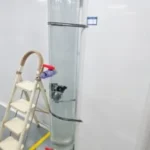
What Is Water Entry Pressure Testing?
Water entry pressure testing measures the minimum pressure required for water to penetrate a waterproof hydrophobic membrane. The test evaluates waterproof protection capability while maintaining breathable airflow performance.
Waterproof Barrier Performance
Evaluates membrane resistance against liquid water penetration and verifies reliable waterproof protection.
Hydrophobic Membrane Evaluation
Measures the water resistance capability of hydrophobic microporous membranes used in protective vent applications.
Pressure Resistance Verification
Confirms membrane durability under hydrostatic pressure conditions for demanding environments.
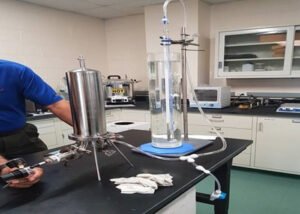
Ventrase Water Entry Pressure Testing Process
Ventrase evaluates waterproof breathable membranes through controlled pressure testing to determine resistance against liquid water penetration.
Water Entry Pressure Testing Methods
Professional WEP testing verifies waterproof protection capability while maintaining breathable performance for advanced vent applications.
Hydrostatic Pressure Testing
Measures the pressure resistance of waterproof breathable membranes against liquid water penetration.
Hydrophobic Performance Testing
Evaluates how membrane surface properties prevent water from entering microporous structures.
Waterproof Reliability Verification
Confirms long-term waterproof performance for industrial, electronic and packaging applications.
Water Entry Pressure Testing Applications
Water entry pressure testing supports industries where waterproof breathable membranes must prevent liquid penetration while maintaining pressure balance and airflow.
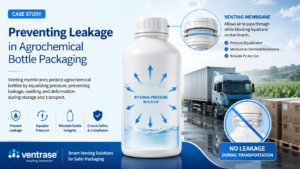
Agrochemical Packaging
Chemical containers require waterproof vent membranes with strong liquid resistance to prevent leakage during storage and transportation.
View Vent Products →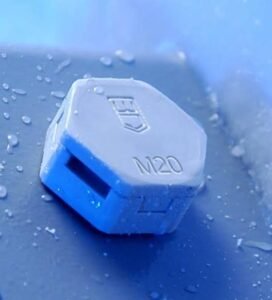
Electronics & Battery Systems
Electronic devices and battery enclosures require waterproof protection while allowing air exchange and pressure equalization.
Explore Technology →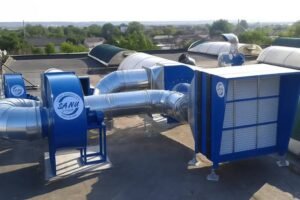
Industrial Packaging
Industrial containers use waterproof vent solutions to reduce pressure changes and improve transportation safety.
View Solutions →
Water Entry Pressure Performance Verification
After WEP testing, Ventrase evaluates waterproof protection, airflow performance and membrane durability to ensure consistent product reliability.
Water Entry Pressure Performance Comparison
Water entry pressure testing helps evaluate waterproof membrane capability under different pressure conditions and application requirements.
| Performance | Standard Membrane | High Performance Vent Membrane |
|---|---|---|
| Water Resistance | Basic liquid protection | Enhanced waterproof barrier performance |
| Hydrophobic Capability | Standard surface protection | Optimized water repellency |
| Pressure Resistance | Limited hydrostatic resistance | Higher water entry pressure capability |
| Long-term Reliability | General protection | Validated environmental durability |
Frequently Asked Questions
What is water entry pressure testing?
Water entry pressure testing measures the pressure required for water to penetrate a waterproof breathable membrane.
Why is water entry pressure important for vent membranes?
WEP testing confirms that a vent membrane can prevent liquid water penetration while maintaining airflow and pressure balance.
What factors affect water entry pressure performance?
Membrane pore size, hydrophobic material properties, thickness and structural design all influence water entry pressure.
Which industries use water entry pressure tested membranes?
Common applications include chemical packaging, agrochemical containers, electronics, batteries and industrial equipment.
Advanced Water Entry Pressure Testing Solutions
Ventrase provides professional membrane testing and waterproof breathable vent solutions to improve product safety and reliability in demanding environments.
Explore Technology View Vent Products