Advanced Materials for Waterproof Breathable Vent Solutions
Explore Ventrase membrane materials including ePTFE, PE, PP, nonwoven and composite materials designed for advanced venting applications.
Material Technology Behind Ventrase Vents
The performance of a waterproof breathable vent depends greatly on the properties of its membrane material.
Ventrase selects and engineers different membrane materials according to application requirements including waterproof performance, airflow, chemical resistance and durability.
✓ Waterproof protection
✓ Air permeability
✓ Moisture vapor transmission
✓ Chemical resistance
✓ Environmental durability
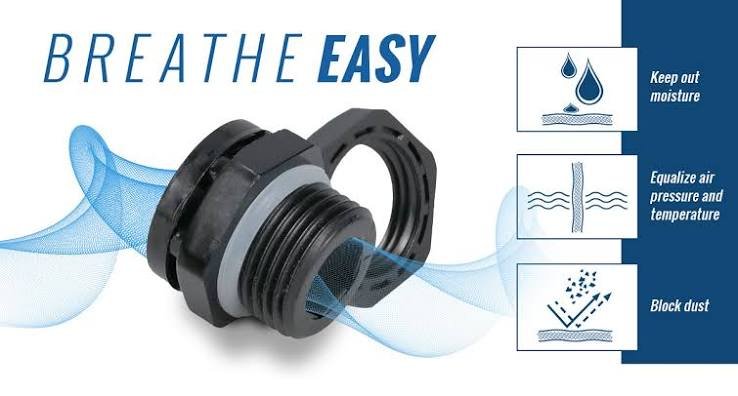
Material Science for Reliable Vent Performance
Different materials provide different advantages. Ventrase combines advanced membrane technology with application engineering.
Microporous Membrane
Materials with controlled pore structures allow air exchange while blocking water and contaminants.
Composite Structure
Multi-layer material designs combine sealing, protection and mechanical strength.
Application Optimization
Material selection is optimized according to industry requirements and operating conditions.
Explore Ventrase Membrane Materials
Select a material technology to understand its properties, advantages and suitable venting applications.
ePTFE Membrane
Expanded PTFE membrane is the core material for high-performance waterproof breathable vent solutions.
- Microporous structure
- High waterproof performance
- Excellent air permeability
- Chemical resistance
Composite Materials
Multi-layer material structures combining different materials to achieve improved sealing and mechanical performance.
- Enhanced durability
- Multiple functional layers
- Customized structures
- Improved protection
Nonwoven Materials
Nonwoven materials provide filtration, support and protection functions in vent assembly designs.
- Lightweight structure
- Good mechanical support
- Flexible applications
- Cost-effective solutions
PE Membrane
Polyethylene membranes provide reliable breathability and chemical compatibility for various applications.
- Chemical resistance
- Good flexibility
- Stable performance
- Packaging applications
PP Membrane
Polypropylene membrane materials offer durability and compatibility for industrial venting applications.
- Temperature resistance
- Chemical stability
- Lightweight design
- Industrial applications
Material Selection by Application
Different applications require different material characteristics. Ventrase selects the suitable membrane according to operating conditions.
Chemical Packaging
ePTFE and composite materials provide chemical resistance and pressure balance.
Electronics Protection
Waterproof breathable membranes help reduce condensation inside sealed enclosures.
Industrial Equipment
Durable membrane materials support demanding industrial environments.
Packaging Solutions
PE, PP and composite structures provide flexible options for packaging vents.
Material Performance Comparison
Understanding material differences helps engineers select the right membrane solution for each application.
| Material | Waterproof Performance | Air Permeability | Chemical Resistance | Typical Applications |
|---|---|---|---|---|
| ePTFE Membrane | Excellent | Excellent | Excellent | Chemical packaging, electronics, industrial vents |
| PE Membrane | Good | Good | Good | Packaging vents, general applications |
| PP Membrane | Good | Good | Very Good | Industrial applications, chemical environments |
| Composite Materials | High | High | Application dependent | Customized vent structures |
| Nonwoven Materials | Support function | Good | Application dependent | Protection and filtration layers |
How to Select the Right Membrane Material
Material selection depends on environment, performance requirements and product design.
For Maximum Waterproof Protection
Choose ePTFE membrane when the application requires high waterproof performance and reliable air exchange.
For Chemical Applications
Consider ePTFE, PP or composite materials according to chemical compatibility and operating conditions.
For Cost-Effective Solutions
PE and PP membranes provide balanced performance for general venting applications.
Key Material Performance Factors
- Water Entry Pressure Resistance
- Air Flow Rate Performance
- Chemical Compatibility
- Temperature Resistance
- Mechanical Strength
- Long-Term Environmental Stability
Frequently Asked Questions About Vent Materials
What is the best material for waterproof breathable vents?
ePTFE membrane is widely used for high-performance waterproof breathable vents because it provides excellent waterproof protection, airflow and chemical resistance.
What is the difference between ePTFE and PE membrane?
ePTFE provides higher waterproof performance, breathability and chemical resistance, while PE membrane offers a balanced and cost-effective solution for general applications.
Why are composite materials used in vent products?
Composite materials combine multiple layers to achieve improved sealing, protection, mechanical strength and application-specific performance.
Can Ventrase customize membrane materials?
Yes. Ventrase can recommend and customize material structures according to airflow, waterproof requirements, chemical environment and product design.
Ventrase provides advanced membrane material solutions for waterproof breathable vent applications worldwide.
Our material portfolio includes ePTFE membrane, composite materials, nonwoven materials, PE membrane and PP membrane technologies designed for packaging, electronics, automotive and industrial applications.
Through professional material selection and engineering support, Ventrase helps customers develop reliable vent solutions with optimized waterproof performance, airflow capability and long-term durability.
Whether your project requires a standard vent component or a customized membrane structure, Ventrase provides technical solutions based on your application requirements.
Need Help Selecting the Right Membrane Material?
Contact Ventrase engineers for professional material recommendations and customized waterproof breathable vent solutions.
Contact Ventrase →