
How Waterproof Breathable Membranes Improve Battery Enclosure Safety
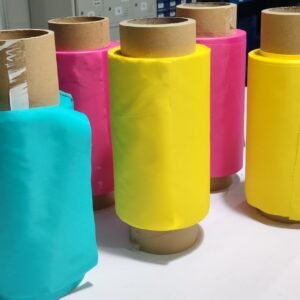
Modern battery systems require reliable protection against moisture, dust and pressure changes. From electric vehicles to energy storage systems and industrial battery packs, sealed enclosures must maintain protection while allowing controlled air exchange.
A waterproof breathable membrane provides an effective solution by balancing pressure equalization and environmental protection.
Why Battery Enclosures Need Venting Technology
Battery housings are often designed as sealed structures to prevent water and dust ingress. However, completely sealed enclosures can create internal pressure problems during temperature changes, charging cycles and environmental variations.
Without proper venting, pressure differences may cause:
- Deformation of battery housings
- Stress on sealing components
- Moisture accumulation from condensation
- Reduced battery system reliability
A pressure equalization vent allows gases to move while preventing liquid contamination, helping battery systems operate safely in demanding environments.
How ePTFE Membranes Protect Battery Systems
Expanded PTFE (ePTFE) membrane technology uses a microporous structure containing millions of tiny pores.
These pores are small enough to block liquid water while allowing air and vapor molecules to pass through.
Learn more about this technology in our article:
Expanded PTFE (ePTFE) Membrane: Advanced Venting Technology
Key Benefits of Battery Enclosure Vent Membranes
1. Pressure Equalization
Battery operation generates temperature fluctuations that can create internal pressure changes. A battery enclosure vent helps balance pressure between the inside and outside environment.
2. Waterproof Protection
Battery systems used outdoors require protection from rain, splash water and humidity. Waterproof breathable membranes provide reliable protection while maintaining airflow.
3. Moisture Management
Condensation inside battery housings can damage electrical components. Breathable membranes allow moisture vapor to escape and reduce internal humidity.
4. Long-Term Reliability
Durable ePTFE vent membranes maintain stable performance during temperature cycling, vibration and outdoor exposure.
Applications of Battery Vent Membrane Technology
Waterproof vent membranes are widely used in:
- Electric vehicle battery packs
- Energy storage systems
- Industrial backup batteries
- Outdoor power equipment
- Lithium battery enclosures
- Charging equipment
Choosing the Right Battery Enclosure Vent Solution
Selecting a suitable vent membrane depends on several factors:
- Required airflow rate
- Waterproof protection level
- Operating temperature range
- Chemical resistance requirements
- Installation method
Ventrase provides customized ePTFE membrane solutions for battery systems, electronics and industrial applications.
Waterproof Breathable Membranes for Advanced Industrial Protection
As battery technology continues to develop, reliable venting becomes increasingly important. A high-performance waterproof breathable membrane helps protect sensitive components while improving system safety and service life.
Ventrase designs advanced membrane solutions for battery enclosures, electronic devices and industrial equipment requiring reliable pressure management.
Need a Custom Battery Vent Solution?
Contact Ventrase for waterproof breathable membrane engineering support.
Request Technical Support