
How Does ePTFE Waterproof Breathable Technology Work?
ePTFE waterproof breathable technology combines water resistance and air permeability through an advanced microporous membrane structure. This unique material is widely used in industrial venting, packaging protection, and electronic enclosure applications.
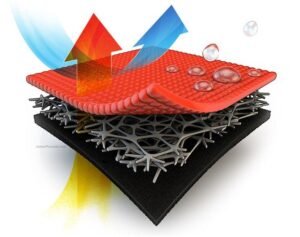
What Is Waterproof Breathable Technology?
Waterproof breathable technology refers to materials that can block liquid water while allowing air and water vapor to pass through.
Traditional waterproof materials often create a completely sealed barrier. However, sealed systems can experience pressure buildup caused by temperature changes or environmental conditions.
ePTFE technology solves this problem by providing controlled gas exchange while maintaining waterproof protection.
How Does ePTFE Membrane Work?
ePTFE membrane is produced by expanding polytetrafluoroethylene (PTFE), creating a three-dimensional microporous structure.
These microscopic pores are designed to be large enough for air molecules to pass through but small enough to block liquid water droplets.
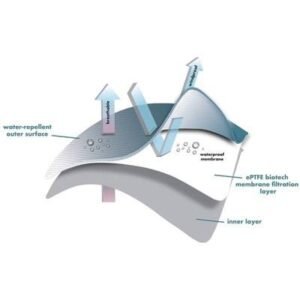
- Air and gas molecules pass through the membrane
- Liquid water is blocked by the hydrophobic surface
- Pressure differences are balanced through controlled airflow
- Contaminants and particles are prevented from entering
Why Is ePTFE Waterproof but Breathable?
Microporous Structure
The key advantage of ePTFE comes from its extremely fine pore structure. The membrane contains millions of microscopic pores that create selective permeability.
Hydrophobic Properties
PTFE naturally has low surface energy, which gives ePTFE excellent water repellent performance.
Water droplets cannot easily pass through the membrane, while air can move through the open pore structure.
Pressure Equalization Capability
When pressure changes occur inside a sealed container or enclosure, ePTFE membranes allow air exchange to reduce pressure stress.
Key Benefits of ePTFE Waterproof Breathable Technology
- Waterproof protection
- High airflow performance
- Chemical resistance
- Temperature stability
- Long-term durability
- Pressure balance performance
Applications of ePTFE Technology
Because of its unique properties, ePTFE waterproof breathable technology is used in many industries.
- Chemical packaging vents
- Agrochemical containers
- Electronic enclosure protection
- Automotive components
- Outdoor equipment
- Industrial packaging systems
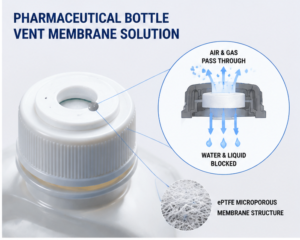
ePTFE Technology in Industrial Venting Solutions
Industrial products often require protection from liquids and contaminants while maintaining internal pressure balance.
ePTFE vent membranes provide an effective solution by combining waterproof protection with reliable airflow performance.
For industrial venting applications, explore:
View Ventrase ePTFE Vent Membrane Solutions
ePTFE vs Traditional Waterproof Materials
| Material | Water Protection | Breathability |
|---|---|---|
| ePTFE Membrane | Excellent | Excellent |
| Solid Plastic Film | Good | Low |
| Foam Material | Limited | Medium |
Conclusion
ePTFE waterproof breathable technology works by using a microporous membrane structure that allows airflow while preventing water penetration.
This balance of protection and ventilation makes ePTFE an important material for modern industrial venting solutions, packaging safety, and environmental protection applications.