
Why Is ePTFE Waterproof and Breathable?
Discover how ePTFE waterproof breathable membrane technology works. Learn why expanded PTFE provides excellent water protection, airflow performance and pressure equalization for industrial applications.
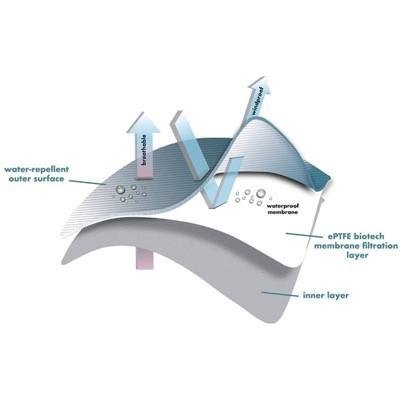
ePTFE (expanded polytetrafluoroethylene) is widely known as a waterproof breathable membrane material because it can block liquid water while allowing air and water vapor to pass through.
This unique performance comes from its specially engineered microporous structure. The extremely small pores prevent water droplets from entering while allowing gas molecules to move through the membrane.
This technology is widely used in vent plugs, vent liners, electronics protection, battery systems and industrial packaging applications.
What Makes ePTFE Waterproof and Breathable?
The key feature of ePTFE is its interconnected microporous structure created during the expansion process.
Unlike ordinary waterproof materials that completely block air movement, ePTFE provides controlled permeability.
ePTFE membrane contains millions of microscopic pores. These pores are small enough to prevent liquid water penetration but large enough to allow air and vapor transmission.
Blocks Liquid Water
The pore size of ePTFE is smaller than water droplets, preventing external moisture from entering.
Allows Air Exchange
Air molecules can move through the microporous structure, helping equalize internal and external pressure.
Controls Moisture Vapor
Water vapor can pass through the membrane, reducing condensation inside sealed systems.
The Microporous Structure of ePTFE
The waterproof breathable performance of ePTFE comes from its unique three-dimensional network structure.
During manufacturing, PTFE material is expanded under controlled conditions to create a structure containing nodes and fibrils.
This network forms continuous air pathways while maintaining strong protection against liquid water.
| Structure Feature | Performance Benefit |
|---|---|
| Microporous Network | Provides airflow and vapor transmission. |
| Small Pore Size | Blocks liquid water penetration. |
| Stable PTFE Structure | Provides chemical resistance and durability. |
Why Is ePTFE Different From Traditional Waterproof Materials?
Traditional waterproof materials often create a complete barrier that blocks both water and airflow.
ePTFE provides a different approach by combining protection with controlled ventilation.
Traditional Waterproof Film
Blocks water but may limit air exchange and pressure equalization.
ePTFE Waterproof Breathable Membrane
Blocks water while allowing airflow and vapor movement.
How Does ePTFE Block Water?
The waterproof performance of ePTFE membrane is mainly created by its extremely small microporous structure.
Although ePTFE contains millions of pores, these pores are much smaller than liquid water droplets. This prevents water from passing through the membrane under normal conditions.
At the same time, the surface energy of PTFE material helps repel water and improves waterproof protection.
ePTFE membrane blocks liquid water because the pore size and surface characteristics prevent water droplets from penetrating, while still allowing gases to move through.
Micropore Size Control
Small and uniform pores prevent liquid water penetration while maintaining airflow capability.
Hydrophobic Surface
PTFE naturally repels water, improving resistance against moisture intrusion.
Stable Protection
The membrane structure provides long-term waterproof performance in demanding environments.
Water Entry Pressure Performance of ePTFE
Water Entry Pressure (WEP) is an important parameter used to evaluate the waterproof capability of breathable membranes.
It represents the pressure level that water must reach before penetrating through the membrane.
Higher water entry pressure indicates stronger protection against liquid water intrusion.
| Performance Factor | Impact |
|---|---|
| Pore Structure | Determines waterproof capability and airflow performance. |
| Membrane Thickness | Influences pressure resistance and durability. |
| Material Quality | Affects consistency and long-term reliability. |
How Does ePTFE Allow Air and Vapor Through?
Although ePTFE blocks liquid water, it allows air and water vapor molecules to pass through its microporous network.
This breathable performance helps prevent pressure buildup and reduces moisture accumulation inside sealed systems.
Air Permeability
Allows continuous gas exchange between internal and external environments.
Vapor Transmission
Allows moisture vapor to escape, reducing condensation risks.
Pressure Balance
Helps equalize pressure caused by temperature changes and environmental conditions.
ePTFE Pressure Equalization Mechanism
Sealed containers and electronic housings often experience pressure changes caused by heating, cooling or altitude variation.
Without proper ventilation, pressure differences may cause deformation, leakage or mechanical stress.
ePTFE vents provide controlled airflow to balance pressure while maintaining waterproof protection.
ePTFE vent membranes allow air movement while preventing liquid contamination, helping maintain stable pressure inside protected systems.
Factors Affecting Waterproof Breathable Performance
1. Pore Size Distribution
Uniform micropores improve the balance between airflow and waterproof performance.
2. Membrane Thickness
Thickness selection affects protection level and airflow capacity.
3. Material Structure
The PTFE fibril network determines durability and performance stability.
4. Application Environment
Chemical exposure, temperature and humidity influence material selection.
Chemical Packaging Applications
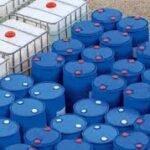
Chemical containers often experience internal pressure changes caused by temperature variation, transportation conditions and chemical reactions.
A waterproof breathable ePTFE membrane allows controlled gas exchange while preventing liquid leakage.
- Container pressure equalization
- Leakage prevention
- Protection against deformation
- Chemical compatibility
Agrochemical Packaging Applications
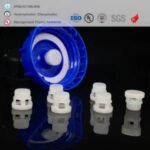
Agricultural chemicals such as pesticides and fertilizers require packaging systems with reliable sealing and venting performance.
ePTFE waterproof breathable membranes help maintain stable pressure while preventing chemical liquid leakage.
- Pesticide bottles
- Fertilizer containers
- Agricultural chemical packaging
Electronics Protection Applications
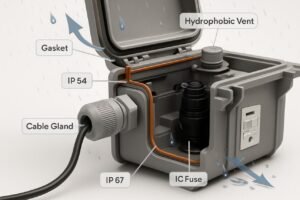
Electronic devices and sealed housings require protection against water, dust and pressure changes.
ePTFE vents allow electronic enclosures to breathe while maintaining environmental protection.
- Electronic enclosures
- Sensors
- Outdoor electronic devices
- Control systems
Battery System Applications
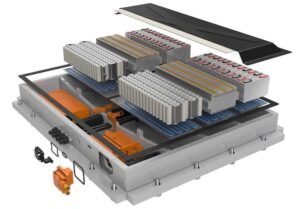
Battery systems generate heat and experience pressure changes during operation.
ePTFE battery vents provide continuous pressure equalization while protecting battery components from moisture and contaminants.
- EV battery packs
- Energy storage systems
- Battery modules
- Industrial batteries
Automotive Applications
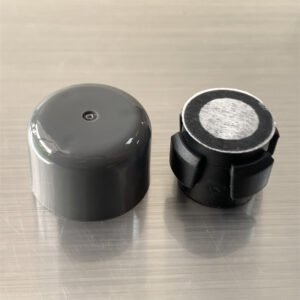
Automotive components operate under changing temperature, humidity and outdoor environmental conditions.
ePTFE waterproof breathable membranes protect automotive electronics and components while balancing pressure.
- Automotive lighting systems
- Sensors
- Vehicle electronics
- Control modules
Industrial Equipment Applications
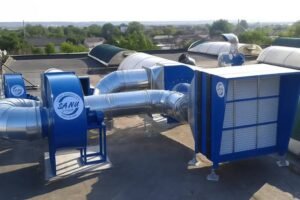
Industrial equipment requires reliable ventilation while preventing water and dust intrusion.
ePTFE membrane vents provide durable protection for industrial environments.
- Industrial enclosures
- Outdoor equipment
- Motors
- Control systems
Recommended Ventrase ePTFE Vent Products
Ventrase provides waterproof breathable ePTFE vent solutions for chemical packaging, industrial containers, electronics and battery applications.
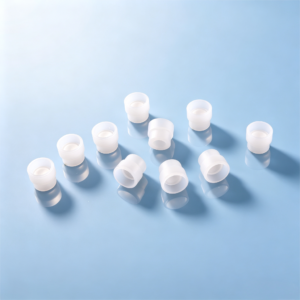
D10 Press-Fit ePTFE Vent Plug
Compact waterproof breathable vent solution for small containers requiring reliable pressure equalization.
View Product →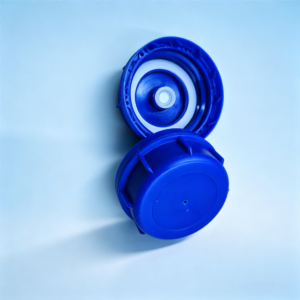
D15 Press-Fit ePTFE Vent Plug
Versatile ePTFE vent plug designed for chemical packaging and industrial pressure balance applications.
View Product →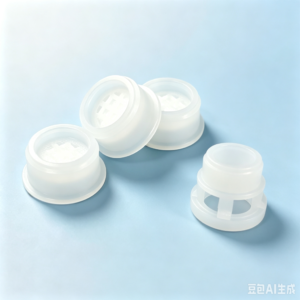
D17 Press-Fit ePTFE Vent Plug
High airflow vent solution designed for demanding waterproof breathable applications.
View Product →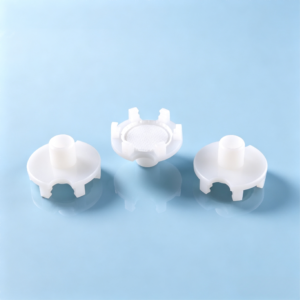
D38 Drum ePTFE Vent Plug
Large container vent solution for drums, chemical containers and industrial packaging.
View Product →Related ePTFE Knowledge Articles
Continue learning about ePTFE membrane technology, manufacturing processes and industrial applications.
Frequently Asked Questions About ePTFE Waterproof Breathable Membrane
Why is ePTFE waterproof?
ePTFE is waterproof because its microporous structure contains pores smaller than water droplets, preventing liquid water penetration while maintaining airflow.
Why is ePTFE breathable?
ePTFE is breathable because air molecules and water vapor can pass through its interconnected microporous structure.
What is a waterproof breathable membrane?
A waterproof breathable membrane is a material that blocks liquid water while allowing air and vapor transmission.
Is ePTFE better than traditional waterproof materials?
ePTFE provides both waterproof protection and controlled breathability, making it suitable for applications where pressure equalization is required.
Where are ePTFE waterproof membranes used?
ePTFE waterproof breathable membranes are widely used in chemical packaging, electronics, battery systems, automotive components and industrial equipment.
Need A Waterproof Breathable Vent Solution?
Ventrase develops advanced ePTFE vent plugs, vent liners and membrane solutions for industrial applications.
Request Technical Consultation