
Introduction
ePTFE membrane is an advanced waterproof breathable material widely used in industrial venting applications.
It provides a unique combination of:
- Waterproof protection
- Air permeability
- Pressure equalization
- Chemical resistance
- Temperature stability
Because of these properties, ePTFE membranes are widely used in electronics protection, battery systems, chemical packaging, automotive components, and industrial equipment.
For professional ePTFE vent membrane solutions and customized applications, visit:
ePTFE Vent Membrane Manufacturer – Ventrase
What Does ePTFE Stand For?
ePTFE stands for expanded Polytetrafluoroethylene.
PTFE is a high-performance fluoropolymer known for its excellent chemical stability and temperature resistance.
Through a controlled expansion process, PTFE is transformed into a microporous structure, creating a lightweight membrane with millions of tiny pores.
This unique structure gives ePTFE its waterproof breathable characteristics.
How Is ePTFE Membrane Made?
The manufacturing process of ePTFE involves several key steps:
1. PTFE Material Preparation
High-quality PTFE resin is prepared and processed under controlled conditions.
Material quality directly affects:
- Membrane strength
- Porosity
- Chemical resistance
- Long-term stability
2. Expansion Process
The PTFE material is expanded under controlled conditions to create a network of microscopic pores.
This process creates the characteristic ePTFE structure.
3. Membrane Processing
The expanded membrane can be processed into different formats depending on application requirements:
- Film
- Sheet
- Laminated membrane
- Venting component
Different structures provide different airflow and protection performance.
How Does ePTFE Membrane Work?
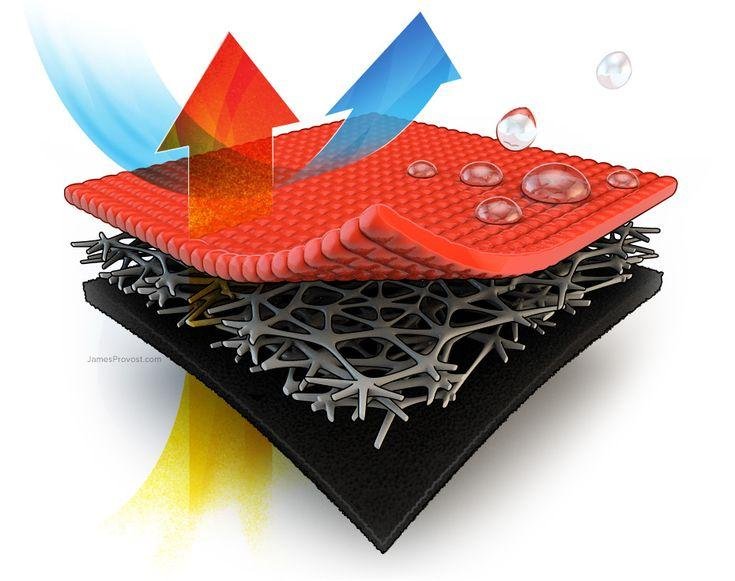
The performance of ePTFE comes from its unique microporous structure.
The membrane contains extremely small pores that allow gases and water vapor to pass through while preventing liquid water penetration.
The working principle can be summarized as:
| Function | Performance |
|---|---|
| Air movement | Allows gas exchange |
| Water protection | Blocks liquid penetration |
| Pressure control | Balances internal and external pressure |
| Contamination protection | Reduces dust and moisture entry |
Microporous Structure of ePTFE Membrane
The microporous structure is the core technology behind ePTFE performance.
Unlike traditional plastic films, ePTFE contains interconnected pores that create a breathable pathway.
These pores allow:
- Air molecules to pass
- Vapor to escape
- Pressure to equalize
while preventing:
- Liquid water
- Dust particles
- External contaminants
Why Is ePTFE Waterproof?
ePTFE has excellent waterproof performance because of two important characteristics:
Hydrophobic PTFE Material
PTFE naturally repels water.
Its low surface energy prevents water from easily spreading or penetrating.
Controlled Micropores
The pore size is small enough to block liquid water while allowing gas molecules to pass.
This creates a waterproof breathable barrier.
Why Is ePTFE Breathable?
A completely sealed enclosure can create pressure problems.
For example:
- Electronic housings heat up during operation
- Battery systems generate gas
- Chemical containers experience temperature changes
ePTFE allows controlled airflow to balance pressure without sacrificing waterproof protection.
This makes it ideal for products requiring both sealing and ventilation.
Key Properties of ePTFE Membrane
Waterproof Performance
ePTFE protects sensitive components from:
- Rain
- Splash water
- Humidity
- Condensation
Breathability
The membrane allows:
- Air exchange
- Moisture vapor release
- Pressure equalization
Chemical Resistance
PTFE has excellent resistance against many chemicals.
This makes ePTFE suitable for:
- Chemical containers
- Industrial packaging
- Laboratory equipment
Temperature Resistance
ePTFE maintains stable performance across wide temperature ranges.
It is commonly used in demanding environments such as:
- Automotive applications
- Outdoor equipment
- Industrial systems
ePTFE Membrane Applications
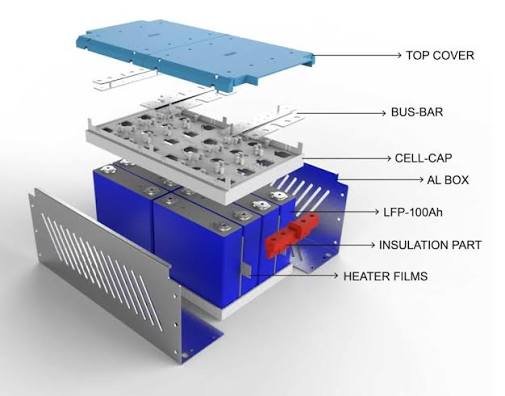
Battery Systems
Battery enclosures require pressure management and environmental protection.
ePTFE membranes help:
- Release internal gases
- Reduce moisture risks
- Improve enclosure reliability
Automotive Electronics
Modern vehicles contain sensitive electronic systems.
ePTFE vent membranes protect:
- Sensors
- Control modules
- Electronic housings
Outdoor Equipment
Outdoor devices face:
- Rain
- Humidity
- Temperature changes
ePTFE provides waterproof breathable protection.
Industrial Enclosures
Industrial equipment requires protection from harsh environments.
Applications include:
- Control cabinets
- Sensors
- Electrical housings
Chemical Packaging
Chemical containers may experience pressure changes during storage and transportation.
ePTFE venting solutions help prevent:
- Container deformation
- Leakage risks
- Pressure imbalance
ePTFE Membrane vs Traditional Materials
| Performance | ePTFE Membrane | Traditional Plastic Film |
|---|---|---|
| Waterproof | Excellent | Medium |
| Breathability | High | Low |
| Chemical Resistance | Excellent | Variable |
| Temperature Resistance | High | Medium |
| Pressure Equalization | Excellent | Limited |
How to Choose the Right ePTFE Membrane Solution?
When selecting an ePTFE membrane solution, consider:
Application Environment
Different industries require different protection levels.
Examples:
- Chemical resistance
- Waterproof requirements
- Temperature range
Airflow Requirements
The correct membrane design depends on:
- Container volume
- Pressure changes
- Ventilation needs
Installation Method
Solutions may include:
- Adhesive membrane
- Vent plug assembly
- Custom vent components
Explore Professional ePTFE Vent Membrane Solutions
Ventrase develops customized ePTFE membrane solutions for global industrial applications.
Our solutions support:
- Waterproof breathable protection
- Pressure equalization
- Chemical-resistant venting
- OEM customization
Learn more about our manufacturing capabilities:
ePTFE Vent Membrane Manufacturer
Conclusion
ePTFE membrane is a high-performance material that combines waterproof protection with breathable airflow.
Its unique microporous structure makes it suitable for applications where products need both environmental protection and pressure management.
From battery systems and automotive electronics to chemical packaging and industrial equipment, ePTFE technology provides reliable protection for modern products.