
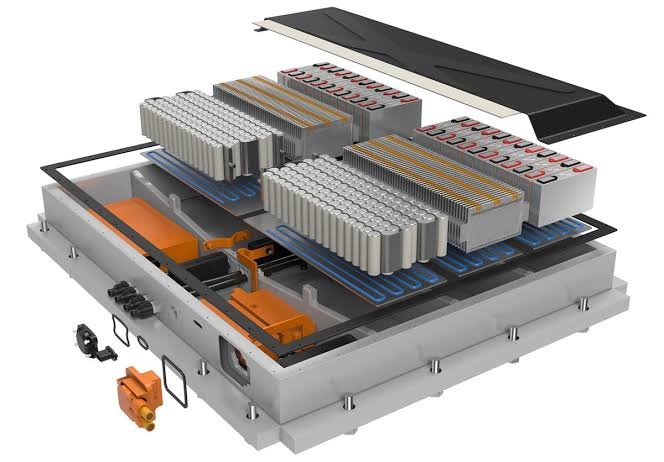
With the rapid expansion of Electric Vehicles (EVs) and commercial Energy Storage Systems (ESS), ensuring long-term battery enclosure integrity has become a primary engineering challenge. Battery packs are subjected to demanding operational conditions, including thermal cycles, rapid altitude shifts, and ambient humidity fluctuations.
Without adequate ventilation, internal pressure build-up or moisture ingress can compromise structural seals, degrade sensitive electronics, and increase thermal runaway risks. Implementing high-performance ePTFE (expanded polytetrafluoroethylene) protective vent membranes provides a passive, continuous solution to balance internal pressure while maintaining strict IP67/IP68 ingress protection.
Key Environmental Challenges in Sealed Battery Enclosures
Sealed battery systems operate in harsh environments where environmental dynamic stress is inevitable. Three main factors contribute to enclosure failure if proper pressure management is omitted:
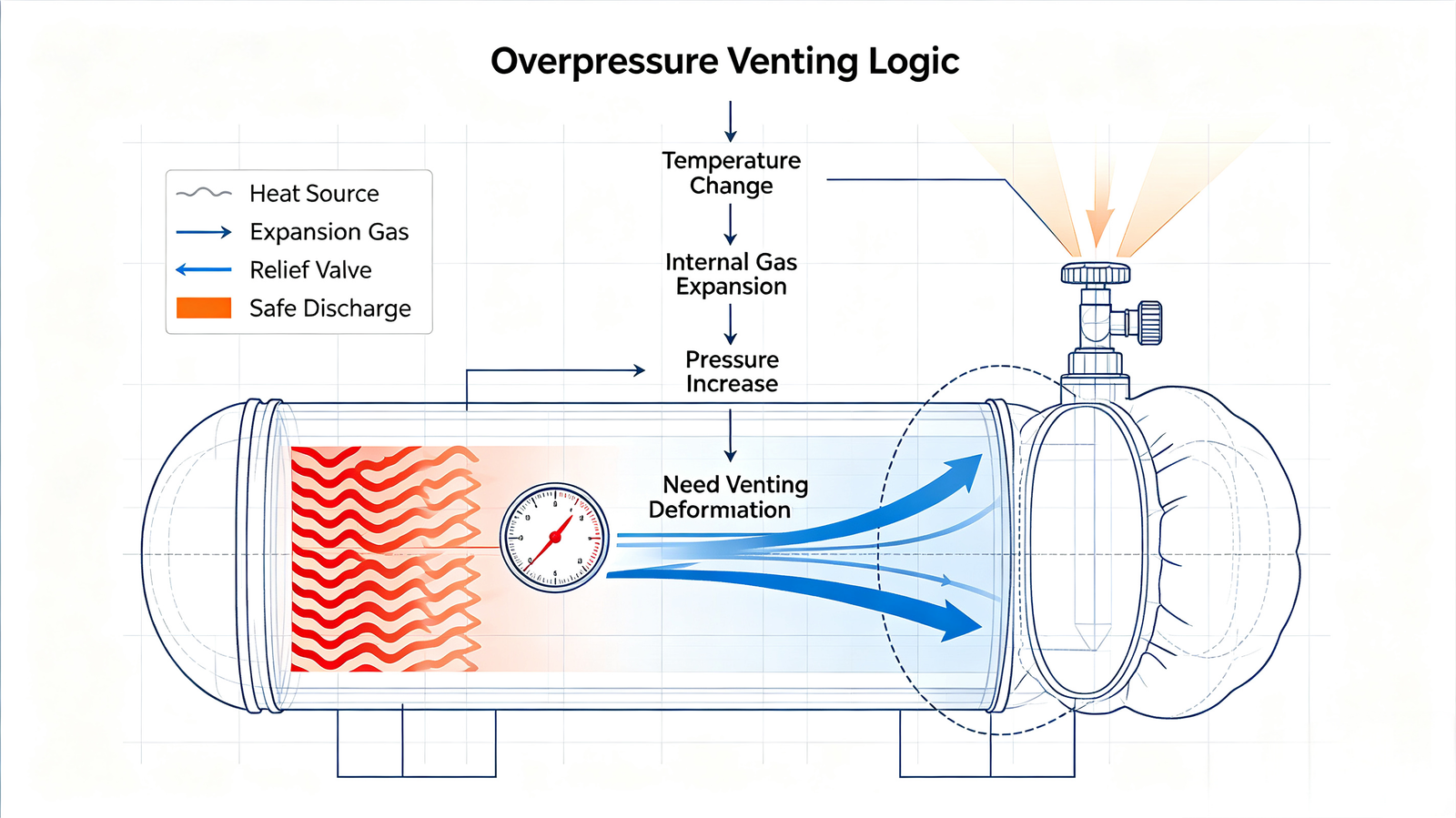
- Thermal-Induced Pressure Spikes: Battery cell charge/discharge cycles generate heat, expanding internal air volume. Without venting, this internal pressure strains housing gaskets and mechanical fasteners.
- Condensation and Humidity Accumulation: Cold exterior temperatures combined with internal heat creation cause water vapor to condense inside the pack. Accumulated moisture leads to low-insulation faults, short circuits, and busbar corrosion.
- Emergency Gas Off-Gassing: During early-stage cell thermal degradation, localized off-gassing increases housing pressure rapidly. Reliable protective vents act as early pressure relief pathways before catastrophic failure occurs.
How ePTFE Protective Vent Membranes Protect Battery Packs
Traditional rigid sealing materials cannot dynamically adjust to volumetric internal expansion. Incorporating ePTFE protective vent membranes solves this trade-off by decoupling enclosure sealing from gas transport:
- Microporous Gas Transmission: Billions of microscopic pores per square inch allow air molecules and water vapor to diffuse naturally. This continuous airflow prevents vacuum creation and relieves internal pressure accumulation.
- Hydrophobic & Oleophobic Barriers: The low surface energy of expanded PTFE prevents liquid water, automotive fluids, dust, and environmental contaminants from penetrating the membrane structure.
- Condensation Control: By facilitating continuous moisture vapor transmission, internal humidity levels equalize with ambient conditions, significantly reducing condensation build-up inside the enclosure.
For additional details on microporous structure performance across industries, read our detailed technical guide on ePTFE venting technology.
Performance Comparison: Sealed vs. ePTFE Vented Battery Packs
Engineers choosing protective venting components for battery systems and industrial enclosures must balance airflow performance with ingress ratings:
| Performance Parameter | Completely Sealed Housing | Ventrase ePTFE Vented Housing |
|---|---|---|
| Pressure Management | High Seal Stress / Deformation Risk | Continuous Dynamic Equalization |
| Ingress Protection | IP67 / IP68 (Static) | IP67 / IP68 (Maintained under pressure) |
| Moisture Management | Trapped Humidity / High Condensation | Continuous Vapor Diffusion |
| Chemical Resistance | Dependent on Housing Seal Gaskets | Superior Resistance to Electrolytes & Oils |
Integrating Vents into Battery & Industrial Systems
Depending on the mechanical architecture of your enclosure, different venting form factors can be specified:
- D17 Press-Fit Vent Plugs: Easily press-fitted into pre-drilled housing holes, delivering robust mechanical protection and high airflow performance.
- D10 Press-Fit Vent Plugs: Compact venting design for space-constrained sensor housings, BMS controllers, and small electronic enclosures.
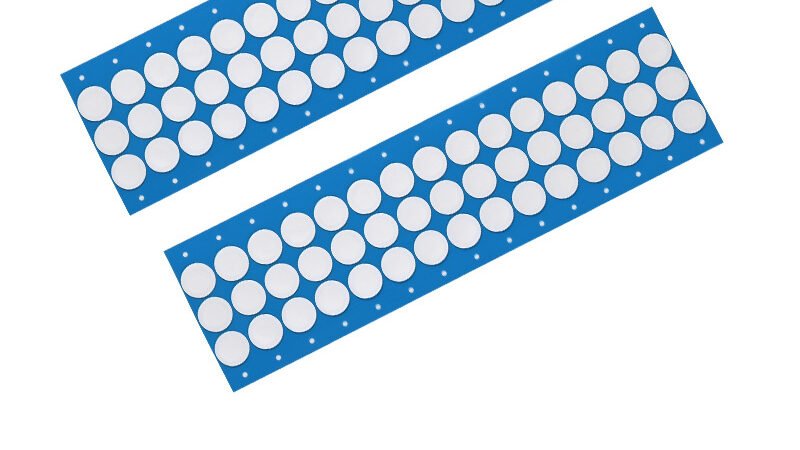
- Custom Breathable Membranes: Die-cut membrane disks designed for direct ultrasonic welding or adhesive bonding onto aluminum/plastic casings.
Key Selection Criteria for Battery Protection Vents
When selecting an ePTFE venting component for battery packs or outdoor electronic devices, evaluate the following parameters:
- Target Airflow & Enclosure Volume: Larger battery cabinets require higher differential airflow (L/h at 70 mbar) to accommodate rapid pressure shifts.
- Water Entry Pressure (WEP): Ensures the hydrophobic membrane maintains watertight integrity under high-pressure water washdowns or temporary submersion.
- Operating Temperature Range: Battery systems require materials that maintain elasticity and structural integrity from sub-zero conditions (-40°C) to high operating thermal levels (+125°C).
Partner with Ventrase for Customized Battery Venting Solutions
Mitigating pressure differentials and controlling internal condensation are critical steps toward building safe, reliable, and durable EV battery systems and energy storage enclosures.
Ventrase offers a comprehensive range of ePTFE membrane products, press-fit vent plugs, and OEM custom die-cut components to meet your exact enclosure requirements. Explore the full Ventrase product catalog or reach out directly to our engineering team.