
Introduction
ePTFE (expanded Polytetrafluoroethylene) is a high-performance membrane material known for its unique combination of waterproof protection, breathability, chemical resistance, and temperature stability.
Unlike traditional PTFE materials, ePTFE is created through a controlled expansion process that forms a three-dimensional microporous structure.
This special structure allows ePTFE membranes to provide:
- Waterproof performance
- Air permeability
- Pressure equalization
- Contamination protection
Today, ePTFE technology is widely used in battery systems, automotive electronics, industrial equipment, outdoor products, and chemical packaging.
For industrial ePTFE vent membrane solutions, visit:
ePTFE Vent Membrane Manufacturer – Ventrase
What Material Is ePTFE Made From?
ePTFE is made from PTFE (Polytetrafluoroethylene), a fluoropolymer with excellent chemical and thermal stability.
PTFE is widely known for:
- High chemical resistance
- Low friction properties
- Excellent temperature performance
- Non-reactive characteristics
However, traditional PTFE is a dense material with limited breathability.
Through expansion technology, PTFE can be transformed into a lightweight microporous membrane.
This creates ePTFE.
How Is ePTFE Manufactured?
The ePTFE manufacturing process involves several controlled stages:
- PTFE resin preparation
- Paste extrusion
- Drying and lubricant removal
- Expansion and stretching
- Heat stabilization
- Membrane finishing and conversion
Each step influences the final membrane performance.
Step 1: PTFE Resin Preparation
The process begins with high-quality PTFE resin.
The resin properties affect:
- Membrane strength
- Fiber structure
- Porosity
- Chemical resistance
Manufacturers carefully select and prepare PTFE materials according to the required application.
Step 2: Paste Extrusion
PTFE resin is mixed with a processing lubricant and formed into a suitable shape through extrusion.
This creates a consistent PTFE structure before expansion.
Important parameters include:
- Extrusion pressure
- Material consistency
- Processing temperature
Proper control ensures stable membrane quality.
Step 3: Drying and Lubricant Removal
After extrusion, the lubricant is removed through a controlled drying process.
This prepares the PTFE structure for expansion.
The goal is to create a uniform material structure that can be stretched effectively.
Step 4: Expansion and Stretching Process
The most important stage of ePTFE production is expansion.
During this process, PTFE is stretched under controlled conditions.
The stretching creates a network structure consisting of:
- PTFE nodes
- Microscopic fibrils
- Connected pores
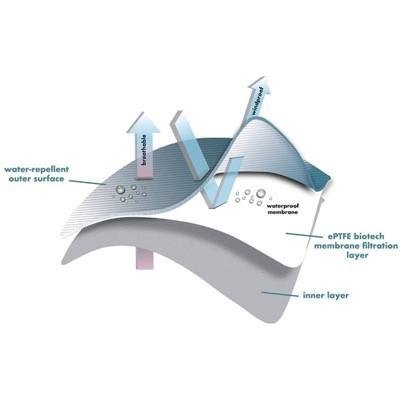
This unique structure gives ePTFE its waterproof breathable properties.
Understanding the ePTFE Microporous Structure
The expanded structure is the key difference between PTFE and ePTFE.
The membrane contains millions of microscopic pores.
These pores allow:
✓ Air molecules to pass through
✓ Water vapor to escape
✓ Pressure to equalize
while blocking:
✕ Liquid water
✕ Dust particles
✕ External contaminants
This makes ePTFE ideal for protective venting applications.
Step 5: Heat Stabilization
After expansion, the membrane undergoes heat treatment.
This process helps:
- Stabilize the expanded structure
- Improve dimensional stability
- Maintain long-term performance
Proper heat stabilization is important for industrial applications requiring reliability.
Step 6: Membrane Finishing and Processing
The finished ePTFE membrane can be converted into different forms depending on application requirements.
Common processes include:
Lamination
Combining ePTFE with supporting materials to improve:
- Mechanical strength
- Handling performance
- Installation reliability
Cutting and Converting
The membrane can be processed into:
- Sheets
- Films
- Discs
- Custom shapes
Assembly Integration
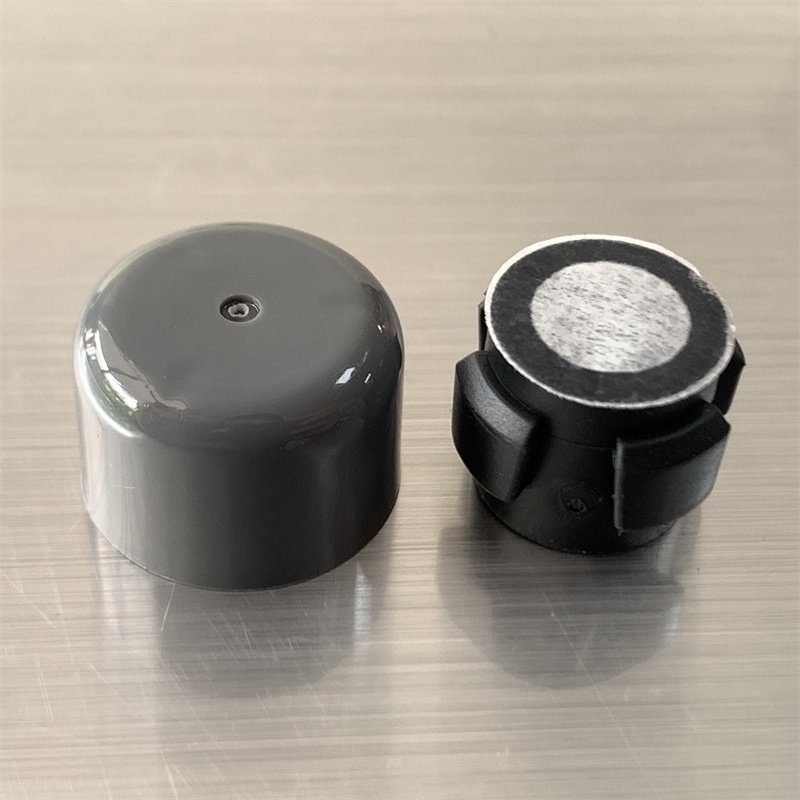
For venting applications, ePTFE membranes can be integrated into:
- Vent plugs
- Vent liners
- Protective vents
How Manufacturing Affects ePTFE Performance
The manufacturing process directly influences key performance characteristics.
Air Permeability
Controlled pore structure determines airflow performance.
Higher airflow helps improve pressure equalization.
Waterproof Protection
The microporous structure provides resistance against liquid penetration.
Mechanical Strength
Fiber structure and processing conditions influence:
- Tensile strength
- Durability
- Long-term reliability
Chemical Resistance
The PTFE base material provides excellent resistance against many chemicals.
ePTFE Manufacturing Applications
Battery Systems
Battery enclosures require reliable pressure control.
Manufactured ePTFE membranes help:
- Release internal gases
- Prevent moisture entry
- Protect battery components
Automotive Electronics
Electronic components require protection from:
- Water
- Dust
- Temperature changes
ePTFE vents provide breathable environmental protection.
Industrial Equipment
Industrial systems often operate in harsh environments.
ePTFE solutions help maintain enclosure performance.
Chemical Packaging
Chemical containers need controlled ventilation during storage and transportation.
ePTFE vent membranes help reduce:
- Pressure buildup
- Container deformation
- Leakage risk
why ePTFE is waterproof and breathable
How to Select an ePTFE Manufacturer?
When choosing an ePTFE membrane supplier, consider:
Material Expertise
A qualified supplier should understand:
- PTFE materials
- Membrane structure
- Application requirements
Manufacturing Capability
Important capabilities include:
- Stable production processes
- Precision membrane processing
- Quality control systems
Testing Ability
Reliable manufacturers should provide testing for:
- Airflow
- Waterproof performance
- Material properties
- Environmental resistance
Ventrase ePTFE Membrane Solutions
Ventrase focuses on advanced ePTFE venting technology and customized industrial solutions.
Our solutions support applications including:
- Chemical packaging
- Battery systems
- Automotive electronics
- Industrial enclosures
- Outdoor equipment

Learn more:
ePTFE Vent Membrane Manufacturer
Conclusion
The manufacturing process of ePTFE transforms traditional PTFE into a high-performance microporous membrane.
Through controlled expansion and processing, ePTFE achieves a unique combination of waterproof protection, breathability, and durability.
Understanding how ePTFE is made helps engineers and buyers select the right membrane solution for their applications.