Introduction
A material that is both waterproof and breathable may seem impossible. Traditional waterproof materials usually block water and air at the same time.
However, ePTFE membrane achieves both functions through its unique microporous structure.
The expanded polytetrafluoroethylene (ePTFE) membrane allows air and water vapor to pass through while preventing liquid water penetration.
This combination makes ePTFE an ideal material for:
- Battery enclosure protection
- Automotive electronics
- Industrial equipment
- Outdoor devices
- Chemical packaging
For professional ePTFE membrane solutions, visit:
ePTFE Vent Membrane Manufacturer – Ventrase
What Makes ePTFE Different?
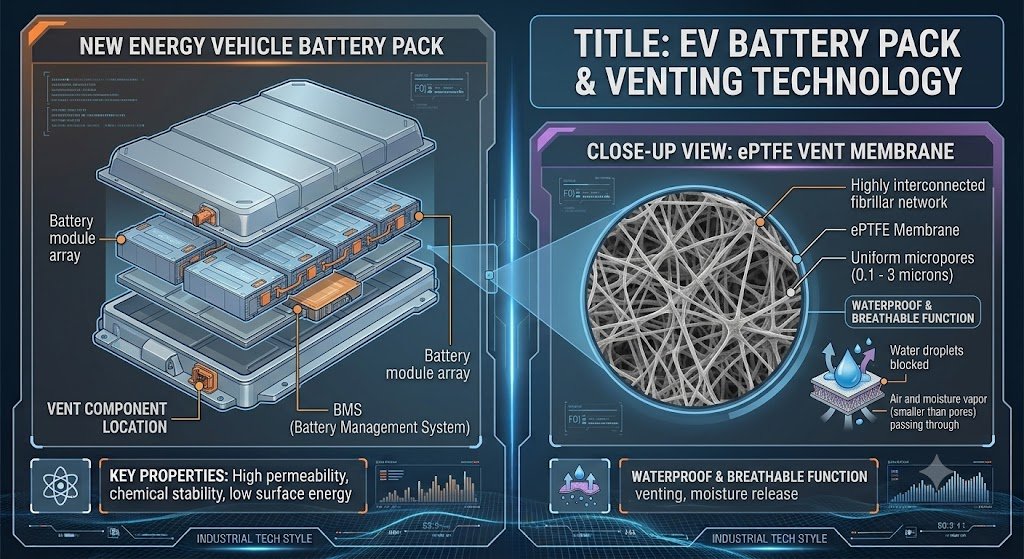
ePTFE is created by expanding PTFE material into a three-dimensional network structure.
Unlike ordinary plastic films, ePTFE contains billions of microscopic pores.
These pores are:
- Smaller than water droplets
- Larger than gas molecules
This unique size difference creates the waterproof breathable effect.
Learn more:
What Is ePTFE Membrane?
ePTFE membrane structure and properties
Why Is ePTFE Waterproof?
1. Hydrophobic PTFE Material
PTFE naturally has excellent water-repellent properties.
The molecular structure of PTFE prevents water from easily spreading across the surface.
When water contacts an ePTFE membrane, it forms droplets instead of penetrating through the material.
2. Microporous Structure
The key reason why ePTFE is waterproof is its extremely small pore structure.
The pores are designed to block liquid water while allowing gas molecules to move.
The relationship can be explained as:
| Material Movement | ePTFE Performance |
|---|---|
| Liquid water | Blocked |
| Water vapor | Passes through |
| Air molecules | Pass through |
| Dust particles | Reduced |
This allows ePTFE to protect sensitive components while maintaining ventilation.
Why Is ePTFE Breathable?
Gas Molecules Can Pass Through
Although the pores are too small for liquid water droplets, they are large enough for air molecules and water vapor.
This allows:
- Air exchange
- Moisture release
- Pressure balance
For sealed products, this function is extremely important.
Pressure Equalization: Another Important Function
Many industrial products experience pressure changes.
Examples:
- Battery systems generate gas during operation
- Electronics heat up and cool down
- Chemical containers experience temperature changes
Without ventilation, pressure differences may cause:
- Housing deformation
- Seal damage
- Leakage problems
ePTFE membranes allow controlled gas movement to maintain pressure balance.
Key ePTFE Properties
Waterproof Performance
ePTFE provides excellent protection against:
- Rain
- Splash water
- Humidity
- Condensation
This makes it suitable for outdoor and industrial environments.
Breathability
The membrane allows:
- Air circulation
- Gas exchange
- Moisture vapor transmission
while maintaining waterproof protection.
Chemical Resistance
PTFE is one of the most chemically stable materials available.
ePTFE membranes can resist many:
- Chemicals
- Solvents
- Oils
- Industrial fluids
This property makes them suitable for chemical packaging applications.
Temperature Resistance
ePTFE maintains stable performance across a wide temperature range.
Applications include:
- Automotive systems
- Battery enclosures
- Industrial equipment
Waterproof Breathable Membrane Applications
Battery Systems
Modern battery systems require protection from moisture while managing internal pressure.
ePTFE membranes help:
- Release generated gases
- Prevent water intrusion
- Improve battery enclosure reliability
Automotive Electronics
Vehicles contain sensitive electronic components exposed to changing environments.
ePTFE vents provide protection against:
- Water
- Dust
- Temperature changes
Applications include:
- Sensors
- Control modules
- Electronic housings
Outdoor Equipment
Outdoor products require reliable environmental protection.
ePTFE membranes help protect equipment from:
- Rain
- Humidity
- Temperature fluctuations
Industrial Enclosures
Industrial devices often operate in harsh conditions.
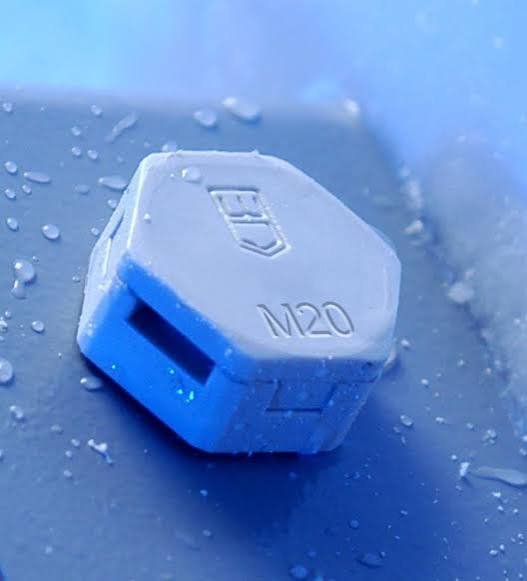
Waterproof breathable membranes help maintain enclosure performance by balancing pressure and reducing condensation.
Chemical Packaging
Chemical containers may experience pressure changes caused by:
- Temperature variation
- Chemical vapor
- Transportation conditions
ePTFE venting solutions help prevent:
- Container swelling
- Leakage
- Packaging failure
Explore chemical packaging vent solutions:
ePTFE Membrane vs Traditional Waterproof Materials
| Feature | ePTFE Membrane | Traditional Waterproof Film |
|---|---|---|
| Waterproof | Excellent | Good |
| Breathability | Excellent | Limited |
| Pressure Equalization | Yes | No |
| Chemical Resistance | Excellent | Depends on material |
| Temperature Stability | High | Medium |
How Is the ePTFE Structure Created?
The special properties of ePTFE come from the manufacturing process.
During expansion, PTFE forms a structure containing:
- Nodes
- Fibrils
- Micropores
This network creates the balance between:
- Waterproof protection
- Breathability
- Mechanical strength
Learn more about manufacturing:
How Is ePTFE Made?
Choosing the Right ePTFE Solution
Different applications require different membrane designs.
Important factors include:
Airflow Requirement
The required airflow depends on:
- Product size
- Internal pressure changes
- Application environment
Waterproof Level
Different environments may require different water protection levels.
Examples:
- Indoor electronics
- Outdoor equipment
- Chemical containers
Chemical Compatibility
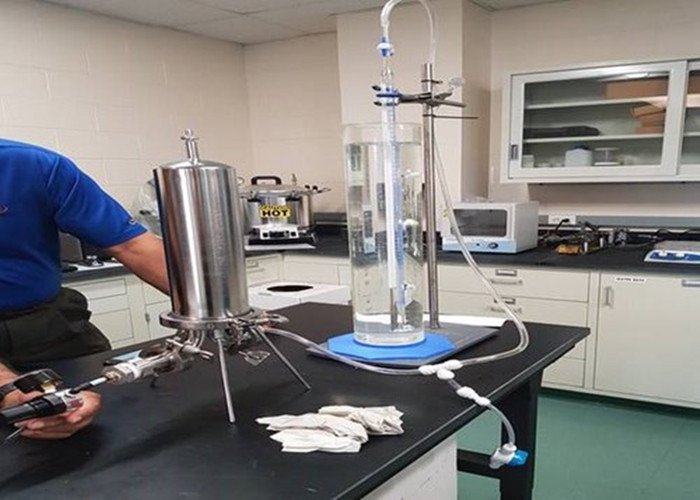
For chemical applications, membrane compatibility should be evaluated before selection.
Ventrase ePTFE Membrane Technology
Ventrase develops customized waterproof breathable membrane solutions for industrial applications.
Our solutions support:
- Pressure equalization
- Waterproof protection
- Gas ventilation
- Chemical-resistant applications
Learn more:
ePTFE Vent Membrane Manufacturer
Conclusion
The reason ePTFE is both waterproof and breathable lies in its unique microporous structure.
Its carefully controlled pores allow air and vapor movement while blocking liquid water.
This combination of properties makes ePTFE one of the most effective materials for modern protective venting applications.
From battery systems to chemical packaging, ePTFE membrane technology helps improve product reliability and durability.