What Is a Waterproof Breathable Membrane? A Complete Engineering Guide
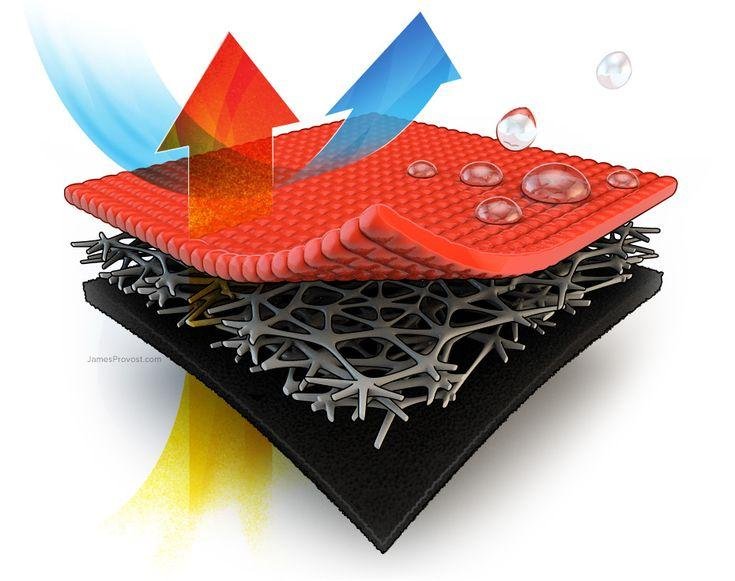
A waterproof breathable membrane is a microporous material that allows air and gas to pass through while helping prevent liquid water from entering a protected enclosure or container.
This combination of waterproof protection and controlled air exchange makes breathable membranes useful in many applications, including electronics, battery systems, chemical packaging, industrial equipment, outdoor products and sealed enclosures.
Among the different membrane technologies available today, ePTFE membrane is widely used when high waterproof performance, breathability, chemical resistance and long-term reliability are required.
In this guide, we explain how waterproof breathable membranes work, why pressure equalization is important, how different membrane materials compare, and how engineers can select a suitable membrane for an application.
What Is a Waterproof Breathable Membrane?
A waterproof breathable membrane is a membrane designed to perform two functions at the same time:
- Allow air or gas exchange
- Help prevent liquid water penetration
The membrane contains a network of microscopic pores. These pores provide a pathway for gases while the membrane structure prevents liquid water droplets from passing through under specified conditions.
This makes the technology particularly useful for products that need to remain sealed against the environment but cannot remain completely airtight.
To understand the basic structure in more detail, see our ePTFE Membrane Knowledge Center .
Why Do Sealed Products Need Breathable Membranes?
Many products are designed to be protected from water, dust and contaminants. However, a completely sealed enclosure can develop internal pressure differences during normal operation.
Common causes include:
- Temperature changes
- Altitude changes
- Heating and cooling cycles
- Gas generation
- Changes in external atmospheric pressure
- Transportation conditions
When internal and external pressure are significantly different, the enclosure or container may experience mechanical stress.
Depending on the application, this can contribute to:
- Enclosure deformation
- Seal stress
- Container swelling
- Vacuum deformation
- Leakage
- Condensation
A properly selected vent membrane provides a controlled path for gas exchange and helps reduce pressure differences.
Learn more about this principle in our Pressure Equalization Guide .
How Does a Waterproof Breathable Membrane Work?
The basic operating principle is based on the difference between gas movement and liquid water penetration through a microporous membrane.
1. Microporous Structure
The membrane contains very small pores that form interconnected pathways through the material. These pathways allow gases to move between the two sides of the membrane.
2. Gas Exchange
Air and other gases can move through the membrane when there is a pressure difference. This provides a controlled path for pressure equalization.
3. Liquid Water Protection
The membrane’s hydrophobic properties and pore structure help resist liquid water penetration. This allows the protected enclosure to exchange air without simply becoming an open hole.
4. Continuous Pressure Equalization
As temperature and environmental conditions change, gas can move through the membrane. This helps reduce pressure differences between the inside and outside of the protected system.
For a more detailed explanation of the working mechanism, read: How Vent Membranes Work .
Why Is ePTFE a Popular Membrane Material?
Expanded polytetrafluoroethylene (ePTFE) has a microporous structure that makes it particularly suitable for waterproof breathable applications.
ePTFE membranes can provide a useful combination of:
- High air permeability
- Water resistance
- Hydrophobic performance
- Chemical resistance
- Temperature resistance
- Long-term environmental durability
These properties make ePTFE suitable for demanding applications where both environmental protection and pressure equalization are important.
Read more about the material: ePTFE Membrane Technology .
Waterproof Does Not Mean Airtight
One common misunderstanding is that waterproof protection requires a completely airtight enclosure. In many engineering applications, this is not desirable.
A completely sealed enclosure can trap pressure and moisture inside. A waterproof breathable membrane provides another approach: protect the system from liquid water while allowing controlled gas exchange.
This is particularly important when the internal volume of an enclosure changes effectively because of temperature variation or when the pressure outside the enclosure changes.
For a detailed discussion of the difference between these properties, see: Waterproof vs. Breathable Membranes .
Waterproof Breathable Membrane vs. Conventional Sealing
Conventional sealing methods are designed primarily to prevent water, air and contaminants from entering or leaving a system.
This approach can work well when pressure changes are not significant. However, applications exposed to repeated temperature or altitude changes may require pressure equalization.
A breathable membrane adds a controlled gas exchange pathway while maintaining environmental protection.
| Feature | Conventional Sealing | Waterproof Breathable Membrane |
|---|---|---|
| Liquid protection | Yes | Yes |
| Air exchange | Limited or none | Controlled |
| Pressure equalization | Limited | Yes |
| Condensation management | Limited | Can improve moisture vapor exchange |
| Environmental protection | Application dependent | Application dependent |
ePTFE vs. PE and PP Membranes
ePTFE is not the only material used for breathable membrane applications. PE, PP and composite membranes can also be selected depending on the performance requirements.
The correct material depends on factors such as:
- Required airflow
- Waterproof performance
- Chemical exposure
- Operating temperature
- Mechanical protection
- Application cost
- Expected service life
Compare different membrane technologies in our Membrane Materials Guide .
You can also review the differences between ePTFE and PE membrane technologies: ePTFE vs. PE Membrane .
Where Are Waterproof Breathable Membranes Used?
Waterproof breathable membranes are used across many industries where pressure management and environmental protection are required at the same time.
Electronics Enclosures
Electronic housings may need protection against rain, moisture, dust and other environmental contaminants while also requiring pressure equalization.
A breathable membrane can provide a controlled ventilation path without leaving the enclosure completely open to the environment.
Learn About Electronics Venting
Battery Systems
Battery enclosures can experience temperature changes and pressure fluctuations during operation. A suitable vent membrane can help manage pressure while protecting the enclosure from environmental exposure.
Read our battery enclosure case study: Battery Enclosure Waterproof Pressure Equalization Case Study .
Chemical Packaging
Chemical containers can experience pressure changes during storage and transportation. Breathable venting can help reduce pressure-related packaging problems while maintaining liquid protection.
Explore Chemical Packaging Venting
Agrochemical Packaging
Fertilizers, pesticides and other agrochemical products may require pressure management because of temperature changes and the characteristics of the packaged liquid.
Explore Agrochemical Packaging
Industrial Packaging
Industrial containers can benefit from controlled pressure equalization when they are exposed to temperature changes, transportation or demanding storage conditions.
Learn About Industrial Packaging Venting
How Is Waterproof Performance Tested?
Waterproof performance should be evaluated using appropriate test methods rather than relying only on the word “waterproof”.
One important parameter is water entry pressure (WEP). It describes the pressure at which water begins to penetrate through the membrane under a defined test method.
Another common consideration is the IP protection level of the complete assembly. The actual performance depends on the membrane, housing, sealing structure and installation method.
Learn more: Water Entry Pressure Testing
You can also review: IP67 Testing and IP68 Testing .
How Is Airflow Performance Tested?
Waterproof performance is only one part of membrane selection. Engineers also need to consider how much air can pass through the membrane under a defined pressure difference.
Airflow testing helps determine whether a membrane provides sufficient ventilation and pressure equalization for the intended application.
Airflow results can depend on membrane structure, membrane area, pressure difference, temperature and test conditions.
Learn more about this testing method: Air Flow Testing for Vent Membranes .
Chemical Resistance Is Also Important
A membrane may be exposed to chemicals, oils, solvents, fertilizers or other aggressive substances. Therefore, waterproof and breathable performance alone does not guarantee suitability for every application.
Chemical compatibility should be evaluated according to the actual chemical composition, concentration, temperature and exposure time.
For more information: Chemical Resistance Testing .
How to Select the Right Waterproof Breathable Membrane
There is no single membrane specification that is suitable for every application. Engineers should consider the complete operating environment.
1. Define the Airflow Requirement
Determine how quickly the pressure inside the enclosure needs to equalize. This helps establish the required airflow performance.
2. Define the Waterproof Requirement
Determine whether the application requires basic water resistance, high water entry pressure, IP67 protection or IP68 protection.
3. Check Chemical Compatibility
Identify all liquids, vapors and chemicals that may contact the membrane or its surrounding structure.
4. Consider Temperature
Temperature changes affect pressure, material properties and long-term performance. The expected operating and storage temperature range should therefore be considered during selection.
5. Consider Installation
The membrane must be correctly integrated into the enclosure, housing, cap or container. Adhesive bonding, heat sealing, press-fit structures and other installation methods can affect the final performance.
For engineering projects, our Material Selection Tool can help compare suitable membrane options.
Using a Vent Size Calculator
Vent size is another important design parameter. A larger enclosure or a system with higher pressure-generation rates may require a different membrane area or vent configuration.
Vent selection should consider enclosure volume, expected pressure changes, required airflow and environmental protection.
Use the Vent Size Calculator as an initial engineering reference.
Waterproof Breathable Membrane for Industrial Applications
For demanding industrial applications, membrane selection should be based on measured performance rather than marketing terminology alone.
Important engineering parameters can include:
- Air permeability
- Water entry pressure
- Hydrophobicity
- Chemical resistance
- Temperature resistance
- Mechanical durability
- Long-term environmental stability
The membrane is also only one part of the final venting system. Housing design, adhesive or sealing method, vent location and installation quality can all influence system performance.
When Should You Use an ePTFE Vent Plug?
When a container needs both pressure equalization and protection against liquid penetration, an ePTFE vent plug can provide a practical solution.
ePTFE vent plugs are particularly useful for:
- Chemical containers
- Agrochemical packaging
- Lubricant bottles
- Industrial drums
- Sealed packaging systems
- Selected electronic enclosures
If your application requires a finished vent plug rather than membrane material alone, you can review the commercial product range at Ventrase ePTFE Vent Plugs .
Waterproof Breathable Membrane: Key Takeaways
A waterproof breathable membrane is designed to solve a fundamental engineering challenge: how to allow controlled gas exchange while maintaining protection against liquid water and environmental contamination.
ePTFE is one of the most widely used membrane technologies for demanding venting applications because its microporous structure can provide a combination of airflow, waterproof protection, chemical resistance and long-term durability.
The correct membrane should always be selected according to the actual application. Airflow, water entry pressure, chemical exposure, temperature, mechanical requirements and installation method should all be evaluated.
For technical information, continue exploring the Ventrase ePTFE Knowledge Center and the Vent Membrane Testing Resources .
Need a Waterproof Breathable Vent Solution?
If you are developing a chemical container, battery enclosure, electronic housing or industrial packaging system, the right venting solution depends on your specific pressure, airflow and environmental requirements.
Ventrase provides ePTFE vent plugs, breathable vent liners and customized venting solutions for industrial applications.
Explore ePTFE Vent Plug Solutions