ePTFE vs PE Membrane: Key Differences for Industrial Venting
Choosing the right membrane is an important step in designing a reliable venting system. Different applications require different levels of airflow, waterproof protection, chemical resistance, and cost efficiency.
Two materials commonly considered for breathable venting applications are expanded polytetrafluoroethylene (ePTFE) and polyethylene (PE). Although both can be used in selected venting solutions, their structures, performance characteristics, and application requirements are different.
This guide compares ePTFE and PE membranes to help engineers, packaging manufacturers, and product developers select a suitable material for their applications.
1. What Is an ePTFE Membrane?
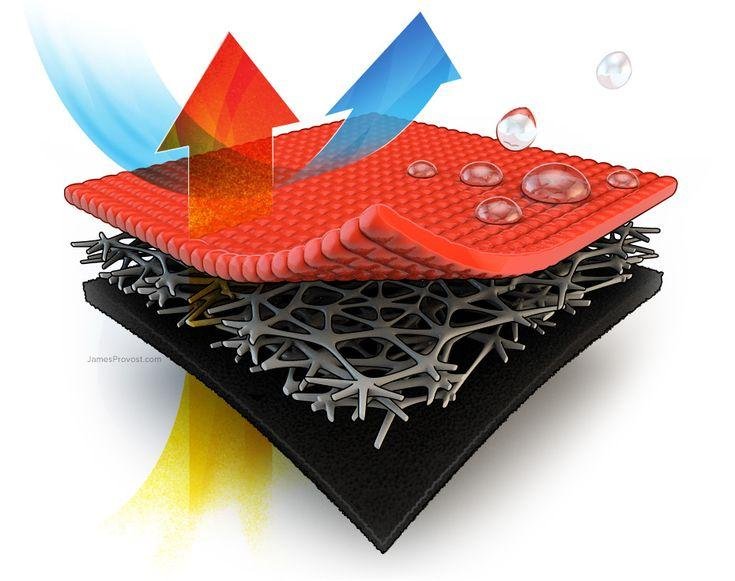
ePTFE stands for expanded polytetrafluoroethylene. It is produced by expanding PTFE into a microporous structure that supports gas transmission while providing resistance to liquid water under suitable conditions.
The combination of breathability, water resistance, chemical stability, and temperature performance makes ePTFE useful in demanding industrial environments.
Common applications include:
- Waterproof breathable vent plugs
- Chemical and agrochemical packaging
- Electronic enclosure protection
- Automotive components and industrial equipment
- Pressure equalization systems
Read our detailed guide to what ePTFE membrane is and how it works for more information about its structure and properties.
2. What Is a PE Membrane?
PE stands for polyethylene, a thermoplastic polymer widely used in packaging, films, liners, and industrial components. Depending on the manufacturing process, PE materials can be designed with different thicknesses, pore structures, and permeability characteristics.
Breathable PE materials may be suitable for applications requiring controlled air or vapor transmission, practical processing, and cost-effective material solutions.
Potential applications include:
- Packaging and breathable liners
- Selected protective covers
- Disposable and industrial products
- Applications where material cost is an important factor
PE membrane performance varies significantly by grade and manufacturing method. It should not be assumed that every PE film or membrane provides the same airflow, waterproof performance, or chemical resistance.
3. ePTFE vs PE Membrane: Main Differences
The right comparison should focus on the actual membrane grade and the performance of the complete venting assembly, rather than the polymer name alone.
| Comparison Factor | ePTFE Membrane | PE Membrane |
|---|---|---|
| Structure | Expanded microporous PTFE structure | Depends on the PE material and manufacturing process |
| Airflow | Can provide controlled gas transmission | Varies with material structure and thickness |
| Water resistance | Can provide strong water resistance when properly designed | Depends on whether the material is porous, coated, or otherwise engineered |
| Chemical resistance | Broad resistance to many chemicals | Depends on the chemical, concentration, temperature, and PE grade |
| Temperature performance | Generally suitable for a broad temperature range | Limited by the specific PE grade and assembly design |
| Cost considerations | May involve a higher material or component cost | Can be economical for suitable applications |
| Typical selection priority | Demanding venting and protection requirements | Applications where a qualified PE solution meets the requirements |
These are general material characteristics, not guaranteed specifications. Actual performance should be verified using product data and application testing.
4. Waterproof and Breathable Performance
Waterproof protection and airflow are two critical factors in membrane selection. A venting membrane must allow sufficient gas exchange while preventing unacceptable liquid penetration.
ePTFE membranes use a microporous structure to provide gas transmission and hydrophobic protection. However, water resistance depends on pore characteristics, membrane condition, liquid surface tension, pressure, and the design of the complete assembly.
PE membranes can also provide breathable and water-resistant performance when engineered for those purposes. Their suitability must be confirmed through relevant airflow and water-entry-pressure tests.
When comparing membrane performance, review:
- Airflow rate at a specified differential pressure
- Water entry pressure or other relevant waterproof test results
- Required pressure equalization time
- Resistance to dust and environmental contamination
- Performance after aging and exposure to the application environment
Learn more about the principles of ePTFE vent membrane technology and how membrane structure affects venting performance.
5. Chemical Resistance and Temperature Stability
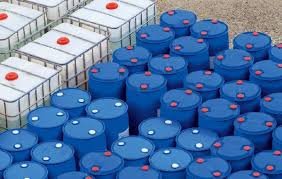
Chemical compatibility is especially important for packaging used with fertilizers, pesticides, cleaning solutions, lubricants, and industrial liquids.
ePTFE is known for its broad chemical resistance. It can be a suitable membrane option for demanding environments, but the complete vent assembly must also be evaluated. Housing materials, seals, adhesives, and other components may respond differently to chemical exposure.
PE can also be suitable for many packaging applications. However, compatibility depends on the specific PE grade, chemical formulation, concentration, exposure duration, and operating temperature.
Temperature changes can also affect pressure inside sealed containers. Material selection should account for both the operating temperature and the pressure variations expected during storage and transportation.
For a more detailed discussion, see our ePTFE membrane properties and performance guide .
6. Which Membrane Is Better for Chemical Packaging?
There is no single membrane that is best for every packaging application. The right choice depends on the packaged product, pressure conditions, airflow requirements, and required protection level.
When to Consider ePTFE
- The application requires a combination of airflow and water resistance.
- The packaged liquid requires careful chemical compatibility evaluation.
- Pressure changes may cause container swelling or deformation.
- The application requires a qualified venting component for demanding service conditions.
When to Consider PE
- A suitable PE material meets the required airflow and protection specifications.
- The application has well-defined operating conditions.
- Material cost and manufacturing efficiency are important selection factors.
- Testing confirms acceptable performance for the intended product and environment.
For packaging applications requiring controlled pressure equalization and liquid protection, explore our ePTFE waterproof breathable vent plug solutions .
7. How to Select the Right Venting Solution
Before choosing a membrane or vent plug, define the application’s technical requirements.
- Identify the application. Determine whether the vent will be used in chemical packaging, industrial equipment, electronics, or another system.
- Calculate airflow requirements. Consider container volume, expected pressure changes, and the required equalization time.
- Define protection requirements. Specify the required water resistance and any relevant dust or contamination protection.
- Check material compatibility. Evaluate the membrane, housing, seals, and other components against the operating environment.
- Test the complete assembly. Verify airflow, waterproof performance, sealing, and durability under representative conditions.
If you are unsure which solution to use, our ePTFE membrane knowledge center provides additional technical information.
8. Explore Ventrase Venting Products
Ventrase provides ePTFE vent plugs and other venting solutions for packaging and industrial applications. Product selection should be based on the required airflow, installation dimensions, chemical compatibility, and protection level.
Explore the Ventrase product range to compare available venting technologies.
For applications requiring a press-fit vent plug, see the D15 press-fit ePTFE vent plug .
You can also use the vent plug selection tool to explore solutions based on your application requirements.
Frequently Asked Questions
Is ePTFE better than PE for waterproof breathable applications?
ePTFE is widely used where controlled gas transmission and water resistance are required. Some engineered PE materials can also meet specific requirements. The best choice depends on verified performance data and application conditions.
Is ePTFE chemically resistant?
ePTFE has broad chemical resistance, but compatibility should be checked for the actual chemical, temperature, and exposure conditions. The complete vent assembly also requires evaluation.
Can PE membranes be used in chemical packaging?
Yes, selected PE materials may be suitable for certain packaging applications. The material must meet the required chemical compatibility, airflow, sealing, and protection specifications.
How do I compare membrane airflow?
Compare airflow measurements taken under the same test conditions, including the differential pressure, test area, and measurement method. Data measured under different conditions may not be directly comparable.
How can I choose the right ePTFE vent plug?
Consider container volume, required airflow, waterproof performance, installation dimensions, chemical compatibility, and operating temperature. Contact the manufacturer if application-specific recommendations or samples are needed.
Conclusion
Both ePTFE and PE membranes can serve useful roles in industrial products, but their performance depends on the material design and application requirements.
ePTFE is worth considering when a combination of gas transmission, water resistance, and broad chemical compatibility is required. A suitable PE membrane may be an effective option when its verified performance meets the application requirements and cost efficiency is a priority.
The most reliable approach is to compare technical data and test the complete assembly under realistic operating conditions.
Looking for a suitable venting solution? Visit Ventrase to explore waterproof breathable vent plugs, or contact our team to discuss your application and product requirements.