
Selecting the right ePTFE vent membrane is an important step in designing products that need both environmental protection and pressure equalization. A suitable membrane allows air to pass through while helping prevent liquid water from entering a protected enclosure.
However, not every vent membrane is suitable for every application. Airflow requirements, waterproof performance, chemical exposure, installation space and operating temperature all influence material selection.
This guide explains the main factors engineers should consider when choosing an ePTFE vent membrane for industrial equipment, electronics and packaging.
1. Understand the Application Requirements
Start by identifying the purpose of the vent. Some applications mainly require pressure equalization, while others need protection against rain, dust, humidity or chemical exposure.
For example, an outdoor electronic enclosure may need waterproof breathable protection. A chemical container may require controlled gas exchange and resistance to contact with a specific liquid.
Before selecting a membrane, define:
- The type of equipment or container being protected.
- The required airflow and pressure equalization rate.
- The level of water and dust protection.
- The operating temperature range.
- The chemicals and other substances the membrane may contact.
- The available installation space and attachment method.
2. Evaluate Airflow Performance
Airflow is one of the most important parameters in vent membrane selection. The vent must allow sufficient gas exchange to manage pressure changes within the required time.
Insufficient airflow may cause pressure differences to persist. Excessively high airflow is not always necessary and must be balanced with waterproofing and other performance requirements.
When comparing technical data sheets, check the airflow rate together with the test pressure. Two membranes should not be compared directly unless their test conditions are consistent.
What affects airflow?
- Membrane structure and effective vent area.
- Pressure difference across the membrane.
- Support layers, adhesive and protective components.
- The design of the complete vent assembly.
Learn more about ePTFE membrane technology and its working principles .
3. Check Waterproof Performance
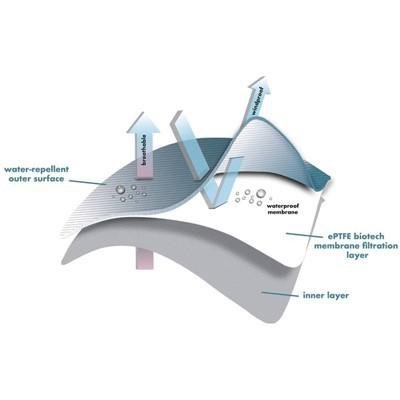
A waterproof breathable membrane is designed to allow air exchange while resisting liquid water penetration. However, waterproof performance depends on the membrane properties and the design of the finished vent assembly.
Water entry pressure is an important parameter for evaluating resistance to liquid water penetration. Engineers should check the specified test method and confirm that the results meet the application’s requirements.
Also consider the effects of installation, sealing, mechanical damage, aging and exposure to the actual environment.
4. Consider Chemical Compatibility
Chemical compatibility is particularly important in packaging, industrial processing and liquid container applications.
Although ePTFE is known for its chemical resistance, the complete vent assembly may contain other materials, including plastic housings, adhesives, support layers and sealing components. These materials may respond differently to chemical exposure.
Before choosing a membrane, identify the exact liquid, its concentration, exposure temperature and expected contact duration. Testing the complete assembly under representative conditions is recommended.
For packaging applications, explore the Ventrase ePTFE vent plug solutions for different container sizes and pressure management requirements.
5. Match the Membrane to the Operating Environment
Industrial products may experience temperature fluctuations, humidity, vibration, pressure changes and long periods of outdoor exposure.
These conditions can affect the performance of the complete vent assembly. Engineers should review the membrane’s temperature limits, mechanical protection, sealing design and expected service life.
For electronics and outdoor equipment, also consider whether the vent design supports the required enclosure protection level. An ePTFE membrane alone does not automatically guarantee a particular IP rating.
6. Choose the Right Installation Method
The installation method affects sealing performance, mechanical retention and ease of assembly.
Vent plugs
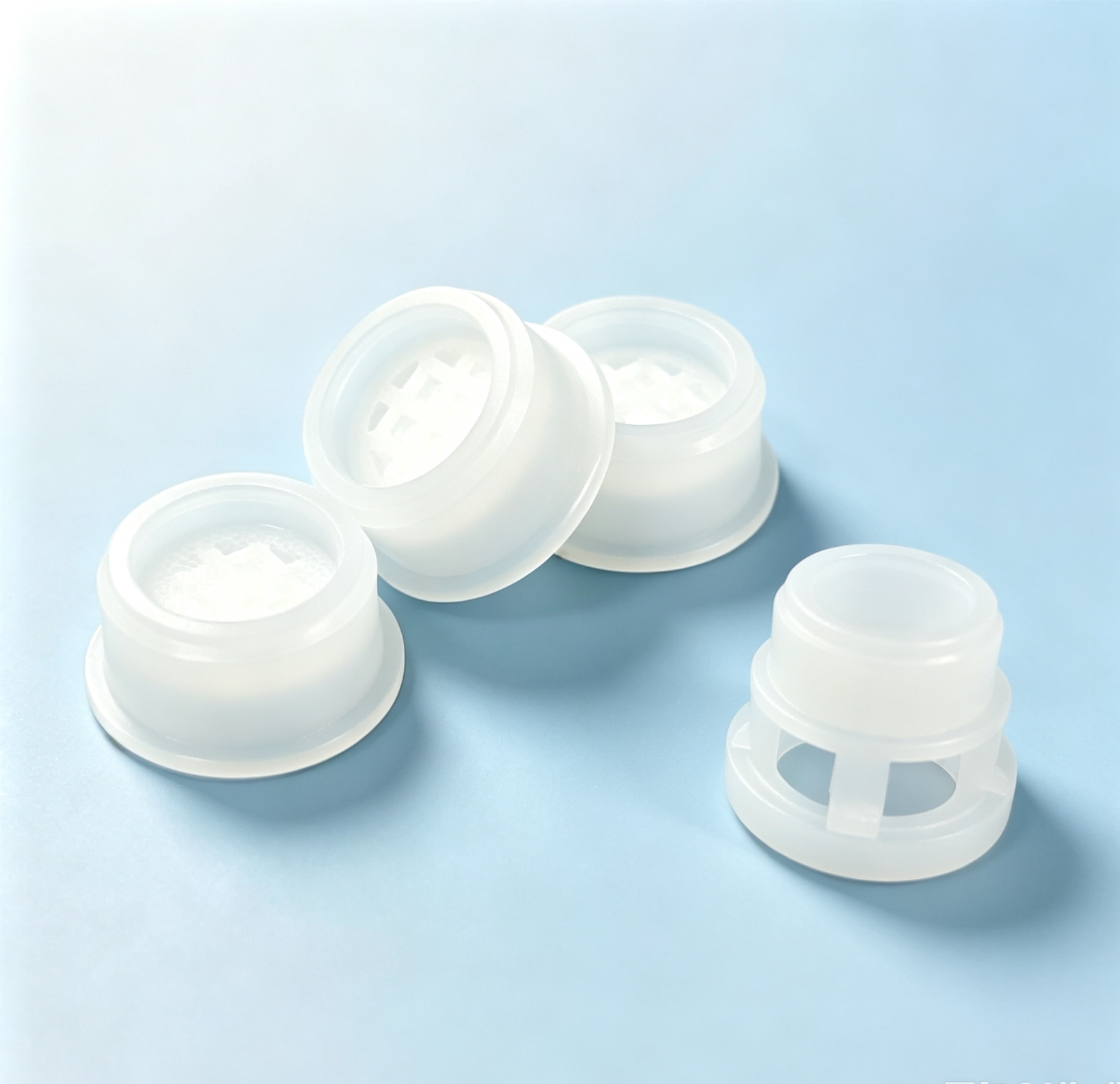
Vent plugs are suitable for designed openings in containers and housings. Their dimensions, retention structure and sealing interface must match the product design.
Adhesive vent membranes
Adhesive vent membranes can be used where a thin, low-profile venting component is required. Surface preparation, adhesive compatibility and bonding quality are important.
Vent liners
Vent liners combine venting and sealing functions in selected bottle and cap applications. Their suitability depends on the closure design, liquid and required performance.
Compare available products in the Ventrase venting product range .
7. Compare ePTFE with Other Membrane Materials
ePTFE is not automatically the best choice for every application. Material selection should be based on required performance, cost and compatibility.
- ePTFE: Often selected for demanding waterproof breathable applications that require controlled airflow and environmental protection.
- PE membrane: May suit applications with different cost and airflow requirements.
- Composite membranes: Can combine a membrane with support layers or other materials to meet specific design requirements.
The correct choice depends on measured performance rather than material name alone. Compare test data under consistent conditions before making a final decision.
8. Verify Performance Before Mass Production
A membrane that performs well in a laboratory test may behave differently when integrated into a finished product. Validation should reflect the actual application and installation method.
Depending on the design, relevant tests may include:
- Airflow testing at specified pressure differences.
- Water entry pressure testing.
- Liquid and chemical compatibility testing.
- Temperature cycling and environmental testing.
- Sealing integrity and mechanical retention checks.
- Long-term performance evaluation where required.
Read our guide to ePTFE vent membrane testing and validation for more information about performance verification.
ePTFE Vent Membrane Selection Checklist
Use the following checklist before finalizing a design:
- Application and installation method are defined.
- Airflow requirements and test conditions are specified.
- Waterproof performance meets the required level.
- Chemical compatibility has been evaluated.
- Operating temperature and environmental conditions are considered.
- The complete vent assembly has been tested where necessary.
- Production consistency and quality requirements are confirmed.
Need Help Selecting an ePTFE Vent Solution?
Share your application, airflow requirements, waterproof protection level, operating conditions and installation dimensions with the Ventrase team.
Our team can help assess suitable venting products and application requirements.
Frequently Asked Questions
How do I select an ePTFE vent membrane?
Start with airflow, waterproof requirements, chemical compatibility, temperature limits and installation conditions. Confirm the selection using relevant test data.
Does a waterproof breathable membrane allow air through?
Yes. A suitable microporous membrane allows gas exchange while resisting liquid water penetration under specified conditions.
Can ePTFE membranes resist all chemicals?
No material or complete vent assembly should be assumed compatible with every chemical under all conditions. Check the actual formulation, exposure conditions and assembly materials.
Should the membrane be tested after installation?
Yes, where application requirements call for it. Testing the complete assembly helps identify problems with sealing, bonding, airflow or mechanical retention.
Conclusion
Choosing the right ePTFE vent membrane requires a balance between airflow, waterproof performance, chemical compatibility, environmental protection and installation design.
By defining requirements early and validating the complete assembly, engineers can make more informed material and product decisions.
For product details and application support, visit Ventrase venting solutions .