
Hydrophobic vs. Oleophobic ePTFE Membranes: What’s the Difference?
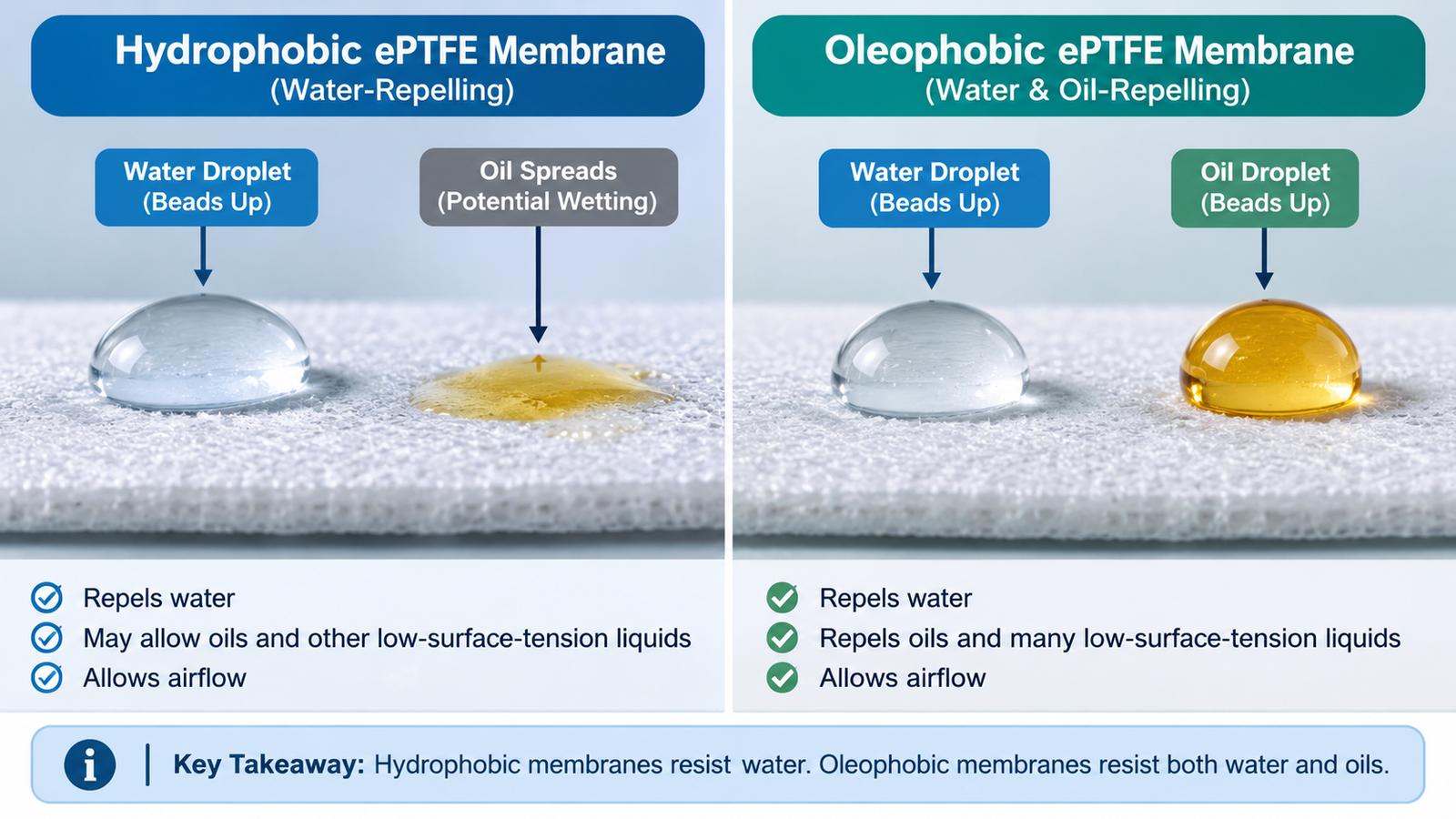
Hydrophobic and oleophobic ePTFE membranes both allow air and gas to pass while helping protect against liquid penetration. The key difference is the type of liquid they are designed to repel. Hydrophobic membranes resist water, while oleophobic membranes are also designed to resist oils and other low-surface-tension liquids.
Choosing the right membrane is important in applications where pressure equalization, liquid protection, and reliable airflow must work together. This is especially relevant for outdoor electronics, industrial enclosures, chemical packaging, and containers exposed to oils or surfactants.
1. What Does Hydrophobic Mean?
Hydrophobic means “water-repelling.” A hydrophobic ePTFE membrane is designed to resist wetting by water while allowing air and water vapor to pass through its microporous structure.
This property makes hydrophobic membranes useful for applications exposed to rain, splashes, condensation, or changes in ambient pressure. The membrane can help reduce pressure differences between the inside and outside of a sealed enclosure without allowing liquid water to enter under the specified test conditions.
However, hydrophobic performance does not automatically mean that the membrane will resist oils, fuels, detergents, or every chemical liquid. Some low-surface-tension liquids can wet the membrane and reduce or block airflow.
2. What Does Oleophobic Mean?
Oleophobic means “oil-repelling.” An oleophobic ePTFE membrane is designed to resist wetting by certain oils and other low-surface-tension liquids in addition to water.
This additional resistance can be important when a vent may encounter lubricants, cleaning agents, fuels, surfactants, or chemical formulations. If a liquid wets the membrane, it may interfere with the gas flow needed for pressure equalization.
3. Hydrophobic vs. Oleophobic: Key Differences
| Feature | Hydrophobic ePTFE | Oleophobic ePTFE |
|---|---|---|
| Primary liquid resistance | Water and other high-surface-tension liquids, subject to testing | Water plus selected oils and low-surface-tension liquids |
| Typical exposure | Rain, splash, humidity, condensation | Oils, fuels, detergents, surfactants, and selected chemicals |
| Airflow consideration | Often suitable where water resistance is the main requirement | Must balance airflow with the required liquid-repellency level |
| Common applications | Outdoor electronics, sensors, sealed housings | Automotive systems, industrial equipment, chemical packaging vents |
| Selection priority | Airflow, water entry pressure, and environmental exposure | Airflow, water entry pressure, oil repellency, and chemical compatibility |
The best choice is not necessarily the membrane with the highest repellency rating. Engineers should select a membrane that meets the application’s airflow and liquid-protection requirements without over-specifying performance.
4. How Does Oleophobic Treatment Work?
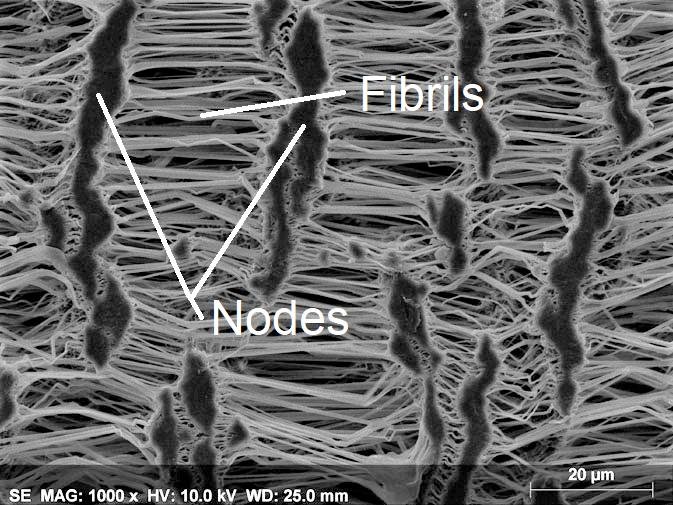
ePTFE has a microporous node-and-fibril structure. Its surface properties influence whether a liquid spreads across the membrane or remains as a droplet. Oleophobic membrane technology uses surface modification or treatment to improve resistance to wetting by lower-surface-tension liquids.
The treatment changes the interaction between the liquid and the membrane surface. This can help prevent certain oils or chemicals from entering the pores during exposure.
The exact effect on airflow and liquid resistance depends on the membrane construction and treatment process. Therefore, performance should be evaluated using the finished material and relevant test conditions rather than assumed from the term “oleophobic” alone.
5. Which Membrane Is Suitable for Your Application?
Outdoor Electronics and Sealed Enclosures
If the main exposure is rain, splash, or humidity, a hydrophobic ePTFE vent may be a suitable starting point. The design should still account for required airflow, water entry pressure, installation conditions, and expected pressure changes.
Automotive and Industrial Equipment
Applications exposed to oils, fuels, coolants, or cleaning agents may require oleophobic membrane technology. The relevant fluid list should be reviewed early in the design process because different formulations can behave differently.
Chemical Packaging and Container Venting
Chemical containers may experience pressure changes during storage, transportation, filling, or temperature variation. A vent can help support pressure equalization while reducing the risk of liquid leakage.
For these applications, membrane selection should consider the actual contents of the container, including the product’s surface tension, viscosity, temperature range, and possible contamination. A vent designed for water exposure alone may not be suitable for a container that encounters oils or other low-surface-tension liquids.
Learn more about industrial ePTFE venting solutions and discuss the application requirements with the product team.
6. What Should Engineers Test Before Selecting a Membrane?
A membrane specification should reflect the complete application rather than a single property. Consider evaluating the following:
- Airflow: Confirm the required gas exchange rate at a defined differential pressure.
- Water entry pressure: Verify the required resistance to water penetration.
- Oil or liquid repellency: Test against the actual liquids or representative test fluids.
- Chemical compatibility: Review the membrane, housing, adhesive, and other components together.
- Temperature: Evaluate performance across expected storage, transport, and operating temperatures.
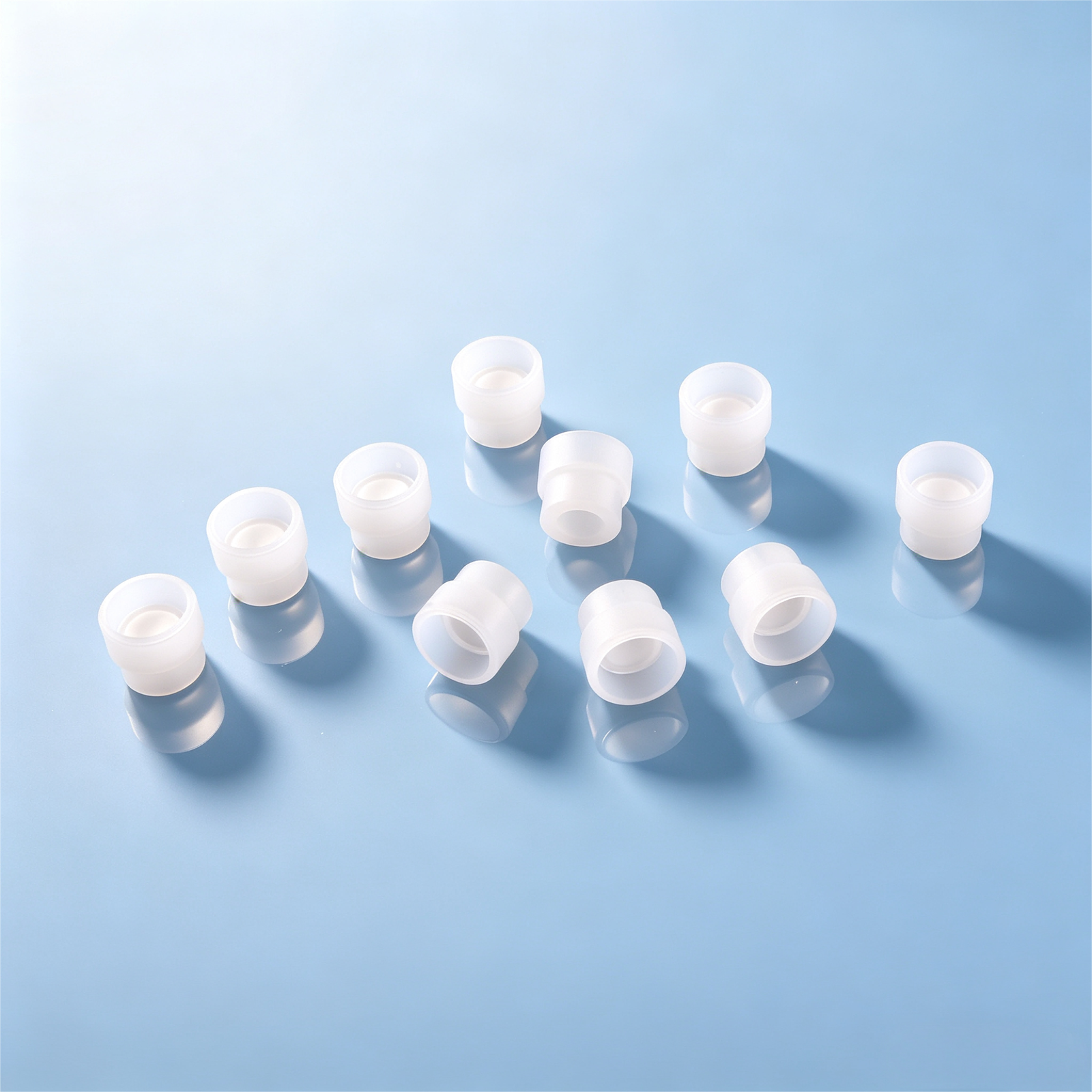
- Assembly performance: Test the finished vent or container, not only a flat membrane sample.
- Durability: Consider exposure duration, repeated wetting, pressure cycling, and contamination.
7. Frequently Asked Questions
Is every hydrophobic ePTFE membrane oleophobic?
No. Hydrophobic describes resistance to water. Oleophobic describes additional resistance to oils and selected low-surface-tension liquids. A hydrophobic membrane may still be wetted by some oils or chemicals.
Can an oleophobic membrane also repel water?
Oleophobic ePTFE membranes are generally designed to retain hydrophobic behavior while adding resistance to selected oils and other liquids. The specific performance should be confirmed from the membrane’s technical data and test results.
Does oleophobic treatment guarantee chemical resistance?
No. Oleophobic performance is not a universal chemical-resistance guarantee. Compatibility must be checked against the actual chemical formulation, exposure conditions, and complete vent assembly.
Will oleophobic treatment affect airflow?
It may affect airflow, depending on the membrane construction and treatment. Compare measured airflow and liquid-resistance data for the specific grade under the same test conditions.
How do I choose between hydrophobic and oleophobic ePTFE?
Start by listing the liquids the vent may encounter. If water is the main concern, hydrophobic ePTFE may be sufficient. If oils, fuels, surfactants, or other low-surface-tension liquids are present, evaluate an oleophobic grade and validate it with application-specific testing.
Need Help Selecting an ePTFE Vent?
Share your application, target airflow, liquid exposure, temperature range, and installation requirements. These details help narrow down the appropriate membrane or vent configuration.