
Why Does an ePTFE Membrane Lose Breathability? 6 Common Causes
ePTFE membranes are widely used in waterproof breathable venting applications because they allow air to pass through while helping prevent liquid water from entering. In electronics, chemical packaging, industrial equipment and sealed enclosures, stable airflow is essential for pressure equalization.
However, some venting systems experience reduced airflow after installation or during service. A membrane that initially performs well may gradually become less breathable due to contamination, environmental exposure, installation conditions or changes in the application.
Reduced airflow does not necessarily mean the ePTFE membrane itself is defective. In many cases, the problem involves the entire venting system, including the membrane, housing, adhesive, installation surface and surrounding environment.
This guide explains six common causes of reduced ePTFE membrane airflow and how engineers can investigate the problem.
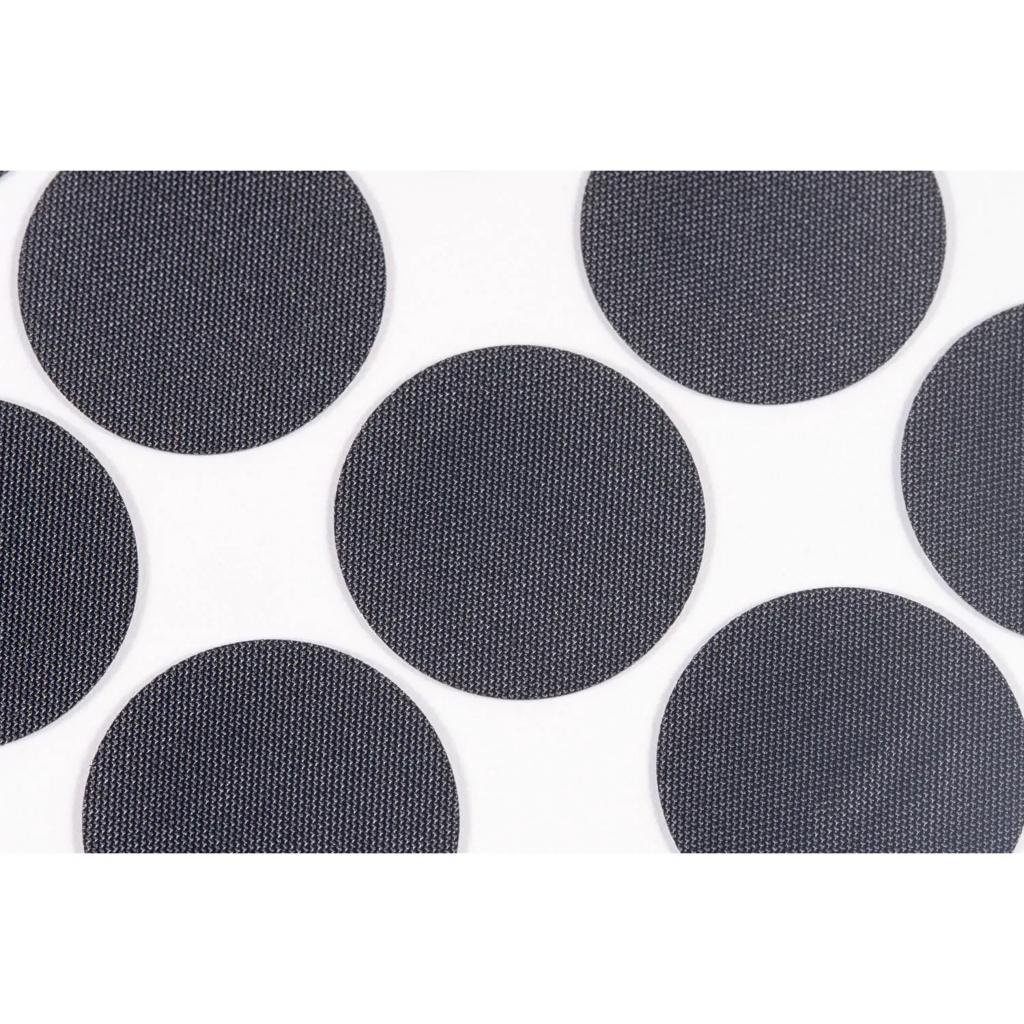
1. Dust and Particle Contamination
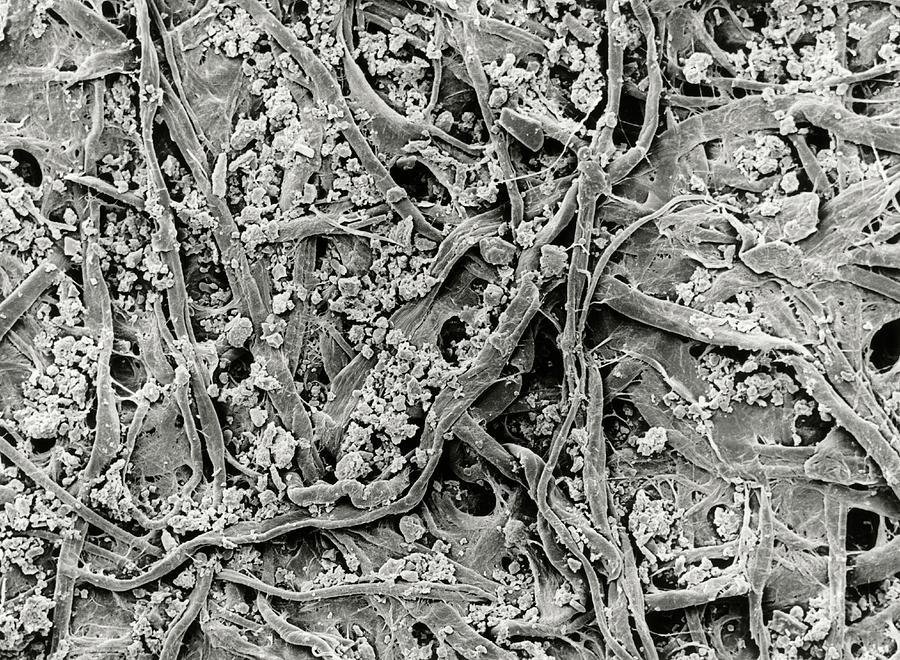
Dust, dirt and airborne particles can accumulate on the membrane surface. Depending on the particle size, concentration, exposure time and membrane structure, contamination may restrict the effective airflow area.
In industrial environments, vent membranes may be exposed to:
- Dust from manufacturing processes
- Fine particles in outdoor environments
- Powder residues
- Fibers and debris
- Contamination during assembly
Although ePTFE membranes can provide protection against certain particles, contamination on the exposed surface may still affect performance.
When airflow decreases, engineers should inspect the membrane surface and surrounding vent structure for visible contamination. The inspection should avoid touching, scraping or applying pressure to the membrane.
For applications exposed to heavy dust, vent location, protective structures and the expected service environment should be considered during product design.
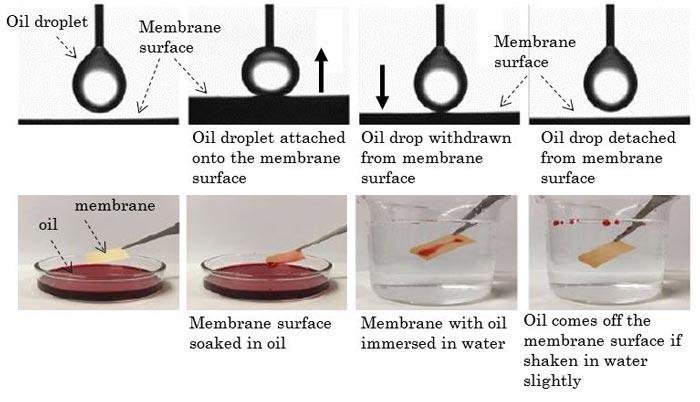
2. Oil, Grease or Surface Contamination
Oil, grease and certain organic substances may affect the surface properties of hydrophobic ePTFE membranes.
Hydrophobic membranes are designed to resist water penetration. However, their resistance to liquids depends on the membrane properties and the liquid involved. Liquids with lower surface tension, including certain oils and solvents, may penetrate membranes that resist water.
In some applications, oil contamination can also accumulate on the membrane surface and interfere with airflow.
Possible sources include:
- Lubricants from nearby equipment
- Oil mist in industrial environments
- Liquid residues during filling
- Handling contamination
- Cleaning agents or solvents
For applications involving oils, chemicals or low-surface-tension liquids, standard hydrophobic ePTFE may not be sufficient. An oleophobic membrane or another suitable membrane structure may be required.
Material selection should be based on the actual liquid exposure, operating conditions and testing requirements.
3. Chemical Exposure and Material Compatibility
ePTFE is known for its chemical resistance, but the performance of a complete vent assembly depends on more than the membrane material alone.
Exposure to chemicals may affect other components, including:
- Adhesive layers
- Plastic vent housings
- Support materials
- Sealing surfaces
- Bonding interfaces
Depending on the chemical and exposure conditions, these components may swell, soften, deteriorate or lose adhesion. Changes in the vent assembly may affect airflow, sealing integrity or the mechanical stability of the membrane.
In chemical packaging applications, engineers should evaluate the complete vent component against the actual chemical formulation, concentration, temperature and exposure duration.
Compatibility should not be assumed based only on the chemical resistance of PTFE or ePTFE.
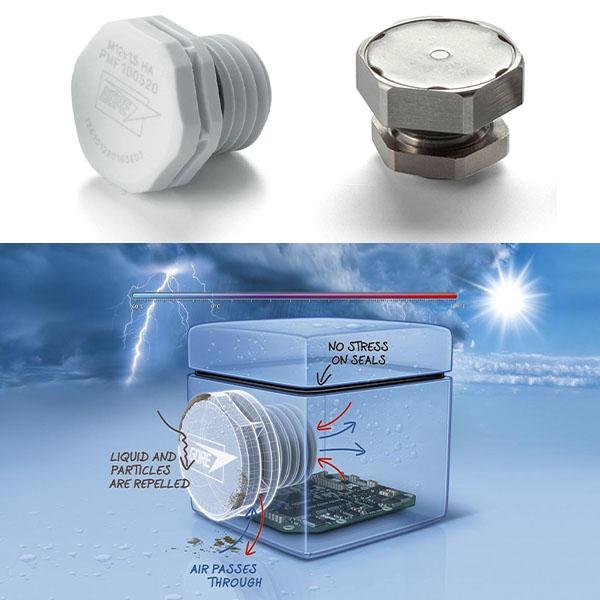
4. Condensation and Moisture Accumulation
Condensation may occur when temperature changes cause moisture in the air to condense on surfaces inside or around a venting system.
Although hydrophobic ePTFE membranes resist liquid water penetration under specified conditions, moisture accumulation around the vent assembly may still affect airflow or create temporary obstruction.
Condensation-related problems may occur in applications involving:
- Rapid temperature changes
- High humidity
- Cold storage
- Outdoor exposure
- Temperature cycling during transportation
Engineers should consider the location of the vent, drainage conditions, surrounding structure and environmental exposure when designing the venting system.
Testing under representative temperature and humidity conditions can help identify whether condensation contributes to airflow reduction.
5. Incorrect Installation or Vent Structure
Installation problems are another possible cause of reduced airflow.
Even when the membrane itself is functioning properly, the installed vent may not perform as expected if the surrounding structure restricts gas exchange.
Common installation-related problems include:
- Blocked vent openings
- Excessive adhesive coverage
- Incorrect vent positioning
- Insufficient clearance around the membrane
- Deformation of the vent structure
- Improper installation pressure
For adhesive vent patches, the mounting surface and adhesive layout should be designed to ensure that the effective membrane area remains available for airflow.
For vent plugs, the container opening, installation depth and surrounding structure should be checked against the product design.
Installation procedures should be reviewed before concluding that membrane performance is the cause of the problem.
6. Test Conditions and Measurement Differences
Sometimes, an apparent airflow reduction is caused by differences in test conditions rather than an actual change in membrane performance.
Airflow measurements may be affected by:
- Differential pressure
- Test fixture design
- Temperature
- Humidity
- Measurement equipment
- Sample positioning
- Test method
For example, airflow measurements taken at different differential pressures cannot be directly compared without considering the test conditions.
When evaluating airflow loss, engineers should use the same test method, fixture, pressure conditions and measurement procedure whenever possible.
Before comparing production samples with earlier test results, confirm that the measurement conditions are consistent.
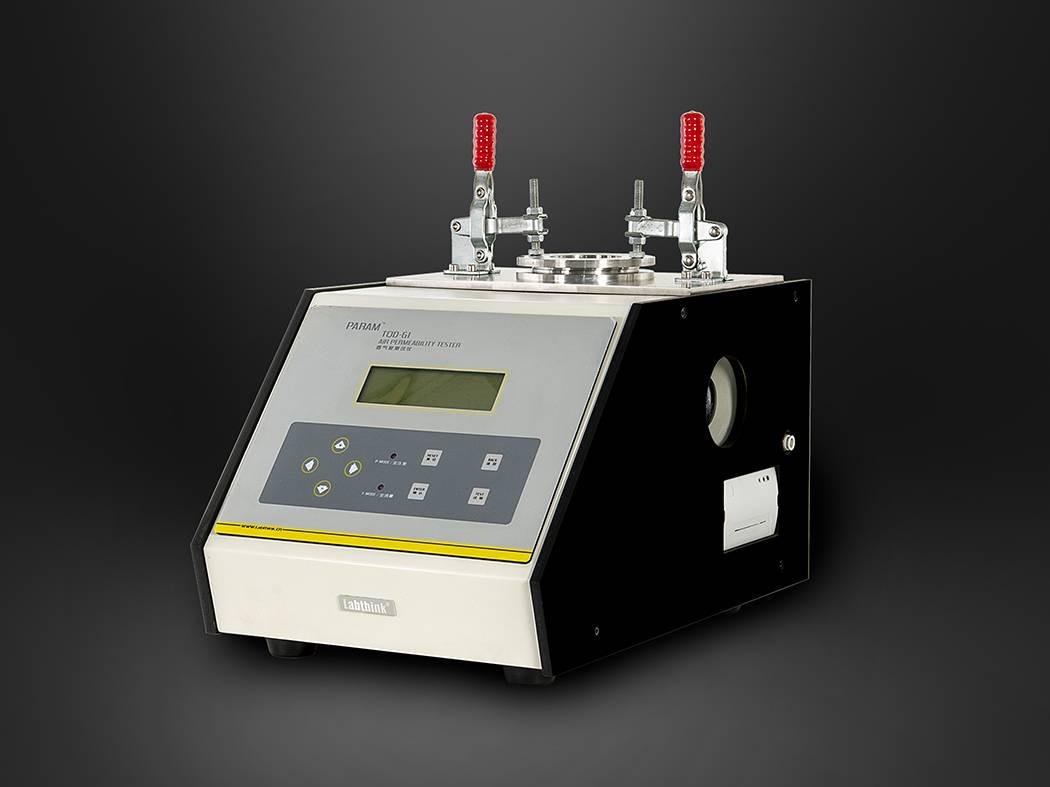
How to Troubleshoot Reduced ePTFE Membrane Airflow
A systematic troubleshooting process can help identify the cause of reduced airflow without unnecessarily replacing the membrane.
| Step | Inspection | Purpose |
|---|---|---|
| 1 | Check test conditions | Confirm measurement consistency |
| 2 | Inspect the membrane surface | Identify visible contamination |
| 3 | Review liquid and chemical exposure | Evaluate compatibility concerns |
| 4 | Check installation structure | Identify blocked openings or installation issues |
| 5 | Review environmental conditions | Investigate moisture, dust and temperature effects |
| 6 | Test the complete assembly | Verify actual vent performance |
How to Prevent Airflow Loss in Venting Applications
Preventing airflow loss starts with selecting the right membrane and designing the vent system according to the actual application.
Choose the Appropriate Membrane
Consider airflow requirements, water entry pressure, chemical exposure, oil resistance and environmental conditions when selecting a membrane.
Protect the Vent from Contamination
Position the vent away from direct exposure to dust, oils, liquids and other potential contaminants whenever possible.
Optimize the Installation Design
Ensure that the vent opening, mounting structure and surrounding components do not restrict the effective airflow area.
Validate the Complete System
Test the installed vent under representative conditions, including relevant temperature, humidity, chemical exposure and pressure conditions.
Establish a Consistent Test Method
Use consistent test procedures and measurement conditions to monitor vent performance during development and production.
Ventrase ePTFE Vent Membrane Technology
Ventrase develops waterproof breathable vent membrane solutions for industrial applications requiring pressure equalization, moisture protection and controlled gas exchange.
Our technical resources cover membrane structure, airflow performance, water entry pressure, chemical compatibility and venting applications.
For specific product requirements, engineers can evaluate vent solutions according to:
- Required airflow
- Water entry pressure
- Application environment
- Chemical exposure
- Installation design
- Operating conditions
Explore our technical resources:
- ePTFE Membrane Knowledge Center
- ePTFE Membrane Technology
- ePTFE Vent Membrane Testing and Validation
- Why Is ePTFE Waterproof and Breathable?
Conclusion
Reduced airflow in an ePTFE membrane vent can result from contamination, oil exposure, chemical incompatibility, condensation, installation problems or inconsistent testing conditions.
Identifying the cause requires evaluating the membrane, the complete vent assembly and the surrounding environment.
Rather than assuming the membrane is defective, engineers should follow a systematic inspection and testing process to determine the actual cause of airflow reduction.
Proper membrane selection, installation design and application testing can help maintain reliable venting performance throughout the intended service life.
Looking for a Suitable ePTFE Vent Solution?
Ventrase provides ePTFE vent membrane solutions for industrial packaging, electronics, battery systems and other applications requiring waterproof breathable protection.
For product specifications, vent plug solutions and engineering support, visit our commercial website.
Explore Ventrase Vent Products
Hangzhou Zuyi New Material Technology Co., Ltd.
Email: info@ventrase.com