How to Choose a Packaging Vent Valve for Chemical Containers
Chemical packaging needs to do more than prevent liquid leakage. During storage and transportation, changes in temperature, altitude and internal gas generation can create pressure differences inside sealed containers.
A suitable packaging vent valve helps manage these pressure changes by allowing controlled air or gas exchange. For chemical manufacturers and packaging engineers, selecting the right vent valve is an important part of packaging design.
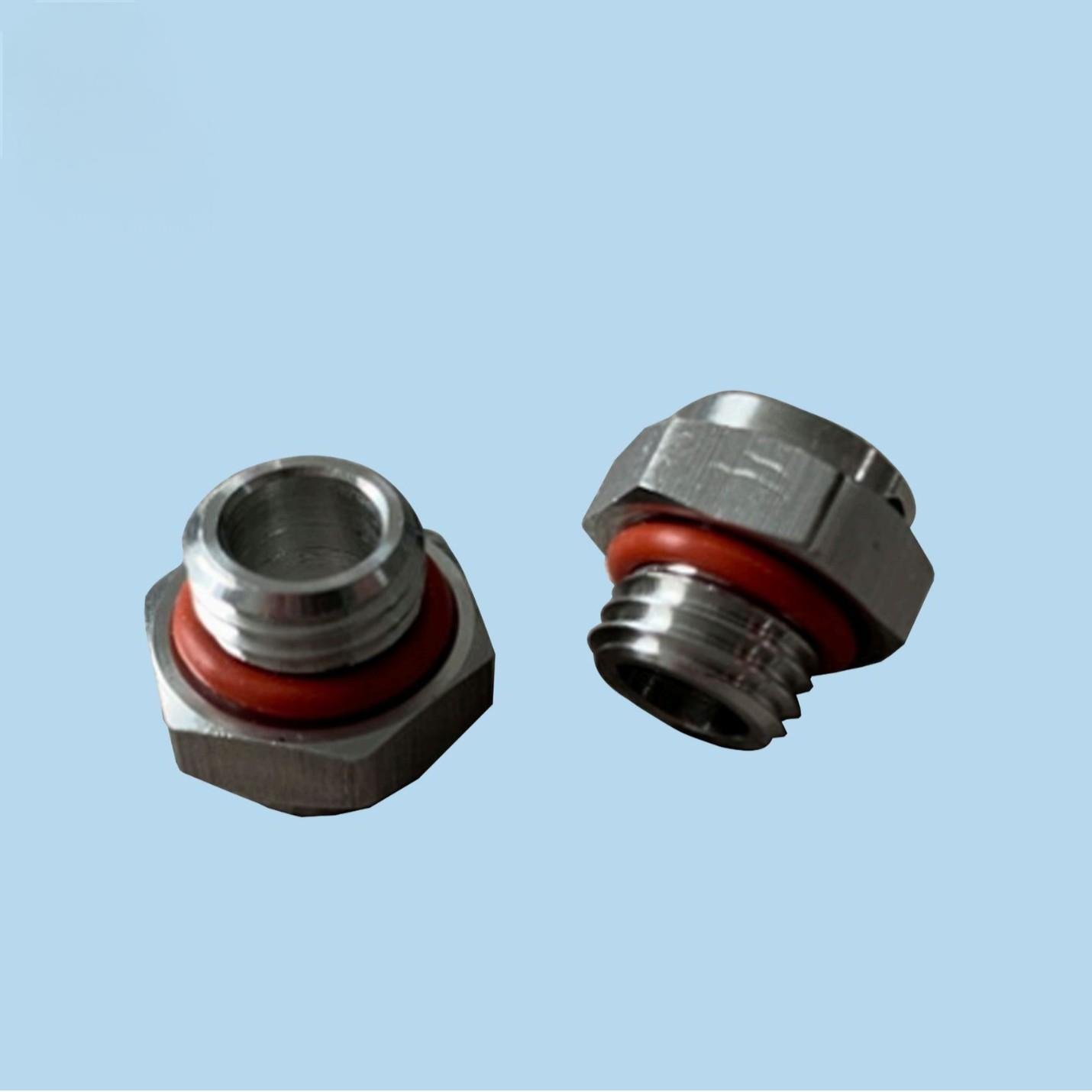
Metal embedded packaging vent valve for pressure management applications.
1. Why Do Chemical Containers Need Vent Valves?
A sealed chemical container may experience internal pressure changes even when its closure is properly installed. These changes can occur during filling, storage, transportation and product use.
Temperature Changes
When the surrounding temperature increases, the gas inside a container may expand. Cooling can create the opposite pressure condition. Repeated temperature changes may place stress on the container walls and closure.
Gas Generation Inside the Container
Some chemical formulations may release gases during storage. If the generated gas cannot escape, internal pressure may increase over time.
Transportation and Altitude Changes
Containers transported by road, sea or air may experience changes in external pressure and temperature. These conditions can contribute to container deformation and sealing stress.
A suitable venting system can help reduce pressure differences and support package integrity. The required performance depends on the product formulation and packaging design.
2. What Is a Packaging Vent Valve?
A packaging vent valve is a component designed to provide a controlled pathway for air or gas exchange in a container. Depending on its structure, it may use a membrane, valve mechanism or another venting design.
Unlike a conventional solid plug, a venting component is designed to manage pressure differences while maintaining the required level of liquid protection.
For industrial packaging, the valve must be selected according to the container structure, liquid characteristics and operating conditions. Not every vent valve is suitable for every chemical.
3. Important Factors When Selecting a Packaging Vent Valve
Airflow Capacity
Airflow capacity determines how quickly a venting component can exchange gas under specified pressure conditions. A small bottle and a large industrial drum may have very different airflow requirements.
Engineers should consider container volume, gas generation, expected pressure differences and the time available for pressure equalization.
Liquid Resistance
For chemical packaging, preventing liquid leakage is a critical requirement. The venting component should be evaluated against the actual liquid, pressure, temperature and container orientation.
A waterproof rating alone does not necessarily prove compatibility with every chemical formulation. Application testing is essential.
Chemical Compatibility
The valve housing, membrane and sealing materials may come into contact with chemical vapors or liquids. Their compatibility should be checked before selecting a product.
Consider the chemical composition, concentration, temperature and expected contact duration.
Installation Structure
The installation method must match the packaging design. Some vent components are installed into a prepared opening, while others are integrated into a closure or liner.
Check the mounting dimensions, container wall thickness, sealing structure and assembly process before final approval.
4. Metal Embedded Packaging Vent Valve
For packaging systems that require an embedded venting component, a metal embedded packaging vent valve is one design option worth evaluating.
Its suitability depends on the actual product construction, installation method, materials and performance requirements. Packaging engineers should confirm the technical drawing and test results before selecting it for production.
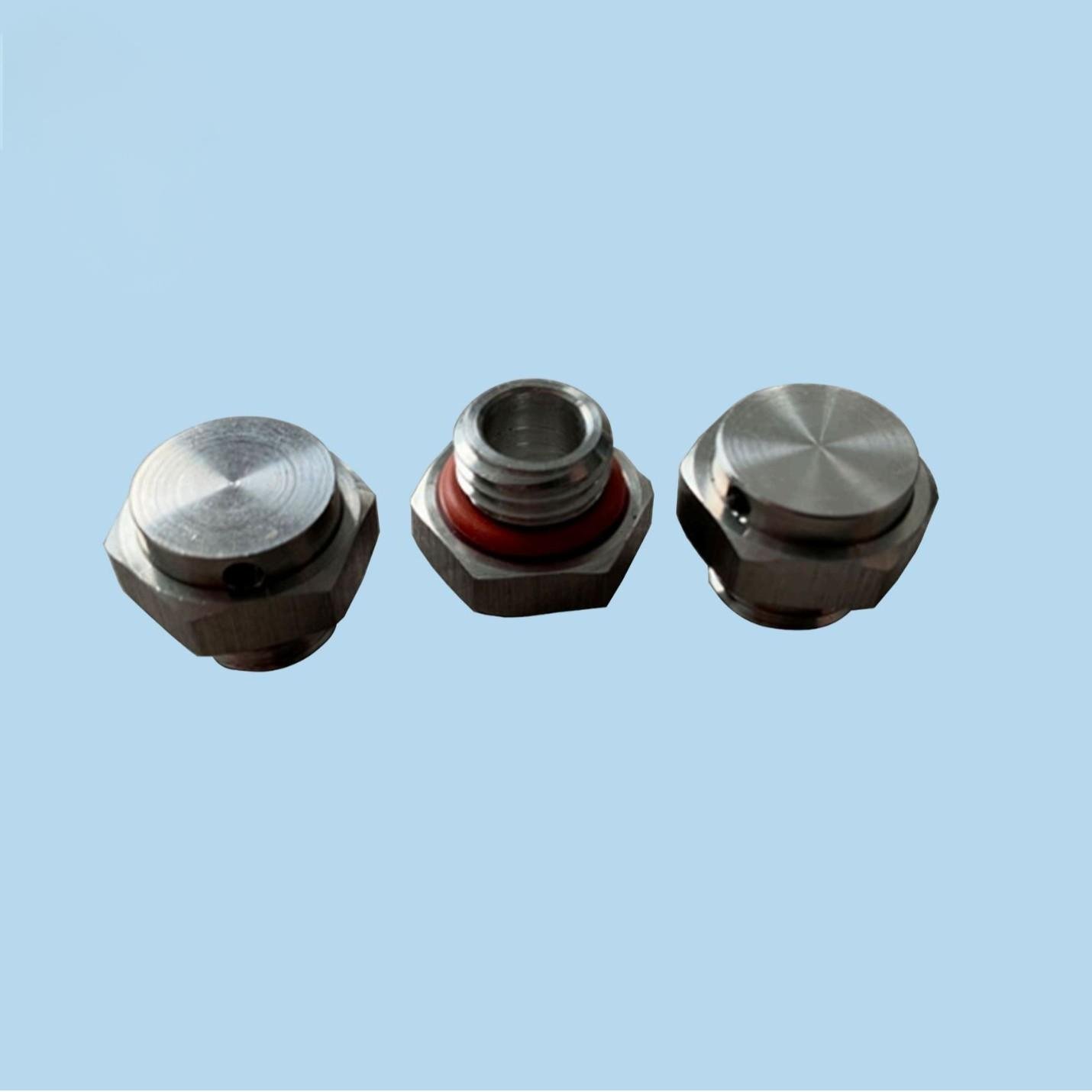
Product structure and design details of a metal packaging vent valve.
Where Can It Be Considered?
- Chemical packaging containers
- Industrial liquid containers
- Selected agrochemical packaging
- Fertilizer packaging systems
- Compatible lubricant and oil containers
- Custom industrial packaging applications
These are potential application areas rather than universal compatibility claims. The final selection should be based on material compatibility and finished-package testing.
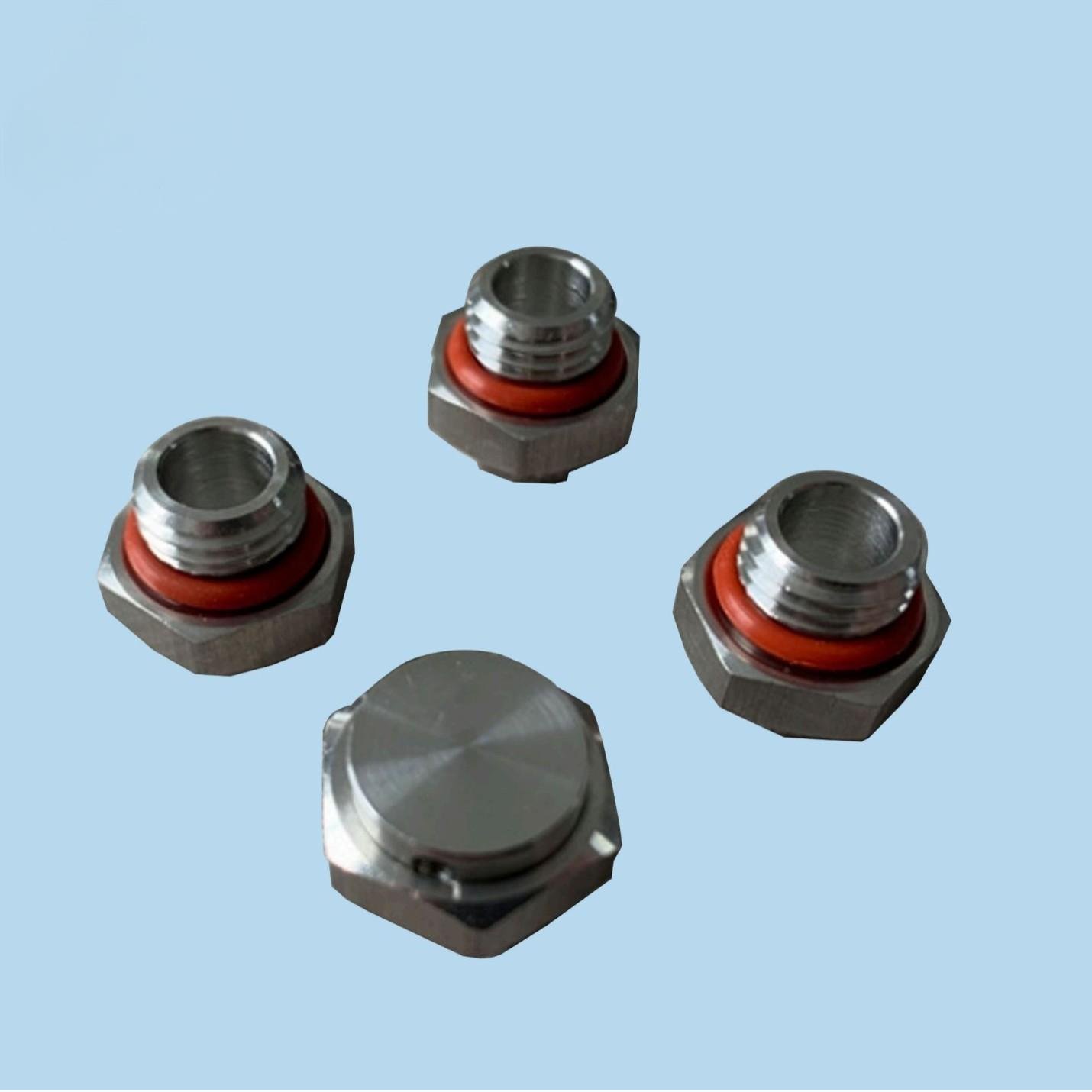
To review the product design and application details, visit the Ventrase Metal Embedded Packaging Vent Valve product page .
5. Packaging Vent Valve vs. Conventional Sealed Plug
| Feature | Conventional Sealed Plug | Packaging Vent Valve |
|---|---|---|
| Air Exchange | Normally does not provide designed air exchange | Designed to support controlled air or gas exchange |
| Pressure Management | Pressure may accumulate in a sealed container | Can help manage pressure differences |
| Container Deformation | Does not actively address pressure imbalance | May reduce pressure-related deformation when correctly selected |
| Application | Suitable for conventional sealing requirements | Suitable for compatible packaging requiring venting |
6. What Tests Should Be Considered?
A packaging vent valve should be evaluated as part of the finished packaging system. Testing only the individual component may not fully represent actual performance.
Airflow Test
Measures gas flow under specified pressure conditions and helps determine whether the venting capacity meets the application requirement.
Liquid Leakage Test
Evaluates whether the assembled packaging system can prevent liquid leakage under defined test conditions.
Pressure Resistance Test
Checks the performance of the valve and container under specified pressure conditions.
Chemical Compatibility Test
Evaluates material performance after exposure to the intended chemical or liquid.
Testing conditions should be established according to the product formulation, container design and intended transport environment.
7. How to Select the Right Vent Valve for Your Project
Before requesting a quotation or sample, prepare the following information:
- Container type: Bottle, drum, canister or other packaging structure.
- Container volume: The capacity of the package.
- Contents: Chemical name, liquid type and relevant compatibility requirements.
- Pressure conditions: Expected pressure changes during storage and transportation.
- Airflow requirement: Required gas exchange performance, if known.
- Installation dimensions: Mounting opening and available installation space.
- Testing requirements: Liquid resistance, pressure and other validation requirements.
Providing these details helps the supplier evaluate whether a standard product is suitable or whether a customized solution should be considered.
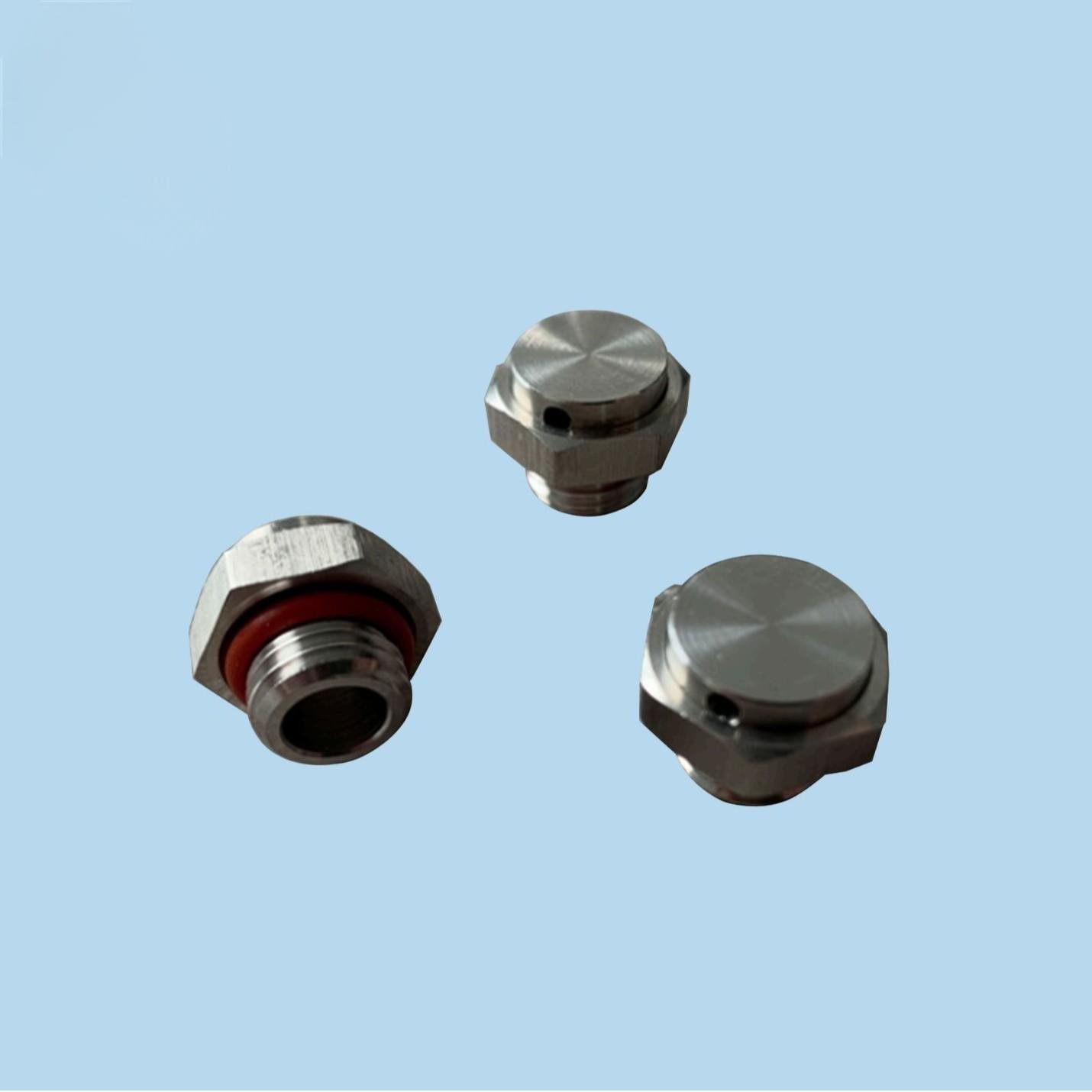
Installation design should be checked against the actual container structure.
8. Working with a Packaging Vent Valve Manufacturer
Choosing a supplier involves more than comparing product dimensions and unit prices. Buyers should also review the supplier’s technical support, product consistency, testing capabilities and ability to understand the packaging application.
For OEM projects, it is useful to discuss the container drawing, chemical compatibility, required airflow, installation method and validation plan before confirming the final design.
Ventrase provides venting solutions for industrial packaging and other applications requiring pressure equalization. If you are developing a new container or improving an existing packaging system, our team can review your requirements.
Looking for a Metal Packaging Vent Valve?
Share your container dimensions, packaging contents and venting requirements with our team. We can discuss the appropriate product configuration for your application.
View Metal Embedded Packaging Vent ValveContact Ventrase for Technical Support
Conclusion
Selecting the right packaging vent valve requires a clear understanding of pressure changes, airflow requirements, liquid resistance, chemical compatibility and installation conditions.
For chemical and industrial packaging, a suitable venting solution can help manage pressure differences and support container integrity during storage and transportation. The final choice should always be validated under actual application conditions.
Explore the Ventrase Metal Embedded Packaging Vent Valve to learn more about this product option.