
PE Foam Vent Liner vs EPE Vent Liner: Choosing the Right Breathable Sealing Solution
Modern industrial packaging requires more than traditional sealing. Chemical containers, agricultural products and industrial liquids often experience pressure changes caused by temperature variation, transportation conditions and internal gas generation.
PE Foam Vent Liners and EPE Vent Liners provide effective solutions by combining sealing performance with controlled air exchange. Both solutions help prevent container deformation, leakage and packaging failures while maintaining product safety.
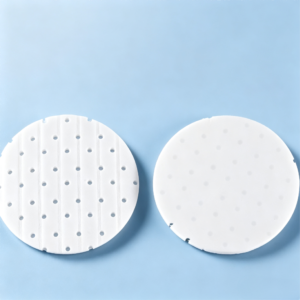
What Is a PE Foam Vent Liner?
A PE Foam Vent Liner is a breathable sealing component made from polyethylene foam combined with a waterproof breathable membrane. It is designed for applications where reliable sealing and pressure balance are required.
The liner structure allows air and gas exchange while reducing the risk of liquid leakage. PE foam provides excellent compression recovery and sealing performance, making it suitable for various industrial packaging applications.
Key Advantages of PE Foam Vent Liners
- Excellent sealing performance
- Good compression resistance
- Lightweight and flexible structure
- Suitable for chemical and industrial containers
- Compatible with various cap designs
What Is an EPE Vent Liner?
EPE Vent Liners use expanded polyethylene foam technology to provide cushioning, sealing and breathable performance. The material structure offers good resilience and protection for packaged products.
Compared with traditional sealing materials, EPE vent liners provide improved flexibility and are suitable for applications requiring both sealing protection and pressure management.
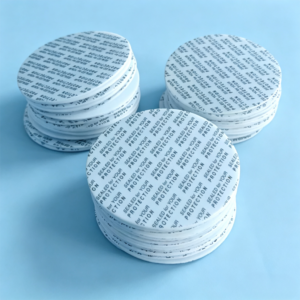
PE Foam Vent Liner vs EPE Vent Liner Comparison
| Feature | PE Foam Vent Liner | EPE Vent Liner |
|---|---|---|
| Material Structure | Polyethylene foam structure | Expanded polyethylene foam |
| Sealing Performance | Excellent | Excellent |
| Compression Recovery | High | Very High |
| Chemical Packaging | Widely used | Suitable for flexible applications |
| Application Focus | Industrial bottles and containers | Packaging requiring cushioning |
How Breathable Vent Liners Improve Packaging Safety
A sealed container without ventilation may experience internal pressure accumulation. During transportation or storage, this can lead to:
- Bottle swelling
- Cap leakage
- Seal damage
- Packaging deformation
- Customer complaints and product loss
Breathable vent liners solve these problems by allowing controlled gas movement while maintaining liquid sealing protection.
Applications of PE Foam and EPE Vent Liners
These breathable sealing solutions are widely used in:
- Agrochemical packaging
- Chemical bottles
- Liquid fertilizer containers
- Industrial chemical packaging
- Lubricant packaging
- Specialty liquid containers
Related Ventrase Products
Ventrase provides a complete range of waterproof breathable vent solutions for different packaging requirements.
How to Choose the Right Vent Liner Solution?
The correct vent liner depends on several factors including container size, chemical compatibility, sealing method, airflow requirement and operating environment.
Ventrase engineers can help select the appropriate membrane and liner structure for your packaging design, ensuring reliable pressure equalization and long-term performance.
Explore our Breathable Vent Liner Solutions or contact Ventrase for customized industrial packaging support.