
How Does an ePTFE Vent Membrane Work? Waterproof Breathable Technology Explained
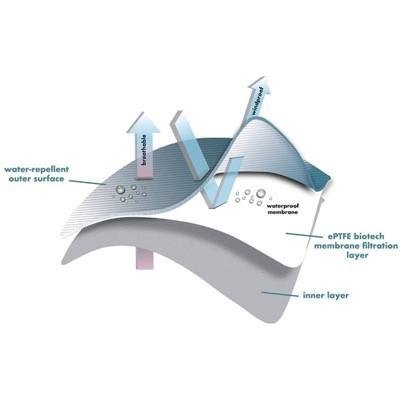
Modern industrial products need reliable protection from water, dust, and environmental contamination while maintaining controlled airflow.
A completely sealed enclosure may protect against external conditions, but it can also create pressure differences caused by temperature changes, transportation, or internal gas generation.
ePTFE vent membranes solve this engineering challenge by allowing air and vapor exchange while preventing liquid penetration.
This article explains how ePTFE membrane technology works, why it is waterproof and breathable, and where it is used in industrial applications.
What Is an ePTFE Vent Membrane?
ePTFE stands for expanded polytetrafluoroethylene.
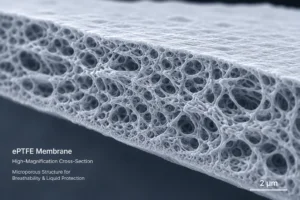
Through a controlled expansion process, PTFE material develops a unique microporous structure containing billions of tiny pores.
These microscopic pores create the key performance advantages of ePTFE:
- Waterproof protection
- Air permeability
- Pressure equalization
- Moisture vapor transmission
- Chemical resistance
Learn more about the material science behind ePTFE:
ePTFE Membrane Technology Guide
How Does ePTFE Waterproof Breathable Technology Work?
The performance of ePTFE membrane comes from its unique combination of pore size and hydrophobic properties.
1. Air and Gas Exchange
The micropores inside the membrane allow air molecules and gases to move through the structure.
This enables:
- Internal and external pressure balance
- Gas release
- Reduced stress on sealed housings
2. Waterproof Protection
Although air can pass through the membrane, liquid water cannot easily penetrate.
The hydrophobic nature of PTFE creates strong water resistance, protecting internal components from moisture.
3. Moisture Vapor Transmission
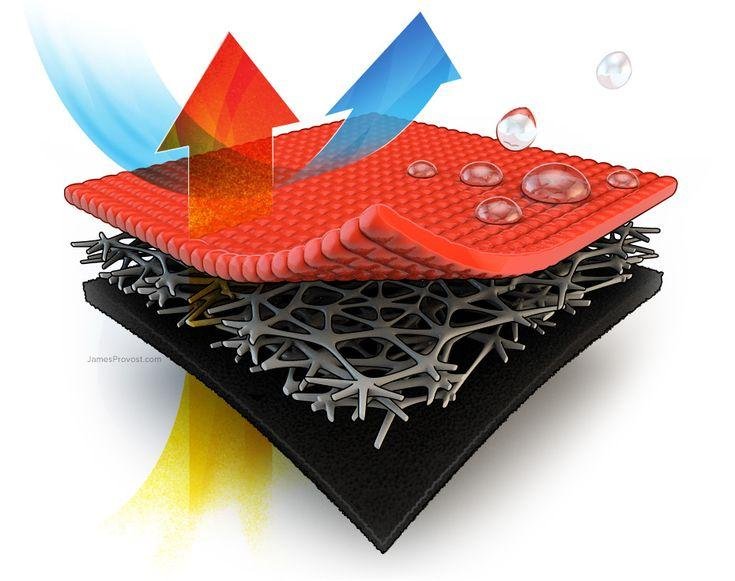
Water vapor molecules can escape through the membrane, helping reduce condensation inside sealed products.
Why Do Industrial Products Need Pressure Equalization?
Many industrial products are designed as sealed systems. However, pressure differences can develop during operation and transportation.
| Cause | Potential Problem |
|---|---|
| Temperature Changes | Internal air expansion and housing deformation |
| Altitude Changes | Pressure imbalance during shipping |
| Gas Generation | Internal pressure buildup |
| Humidity | Condensation and corrosion risks |
A properly designed vent membrane helps maintain stable pressure while protecting against external contamination.
More information:
Pressure Equalization Technology Explained
Applications of ePTFE Vent Membranes
Electronics Protection
Electronic devices require protection against rain, dust, and humidity while maintaining internal pressure balance.
Common applications include:
- Outdoor electronics
- Sensors
- Control systems
- Communication equipment
Battery Systems
Battery enclosures generate heat and may experience pressure changes during operation.
ePTFE vents provide:
- Waterproof protection
- Gas release capability
- Pressure management
Learn more:
Battery Vent Membrane Technology
Chemical Packaging
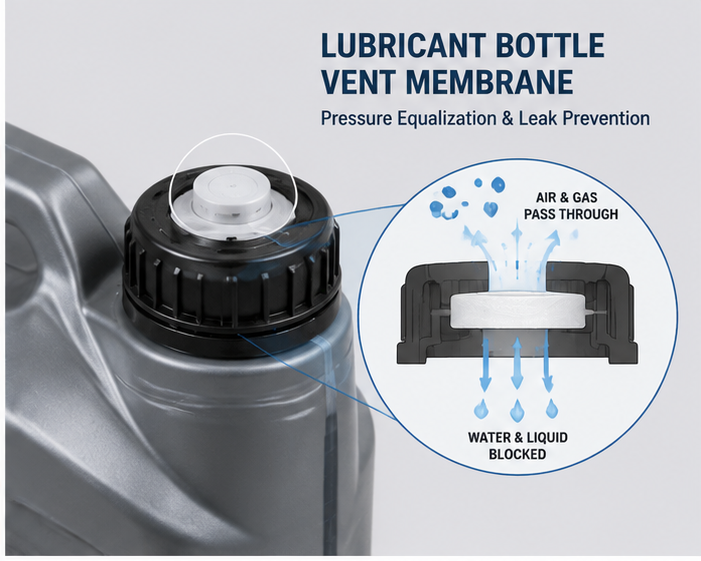
Chemical containers often require controlled ventilation because stored liquids may generate gases or experience temperature-related pressure changes.
Ventrase provides industrial venting solutions for:
- Agrochemical containers
- Lubricant packaging
- Industrial chemical bottles
- Drum packaging
Explore commercial solutions:
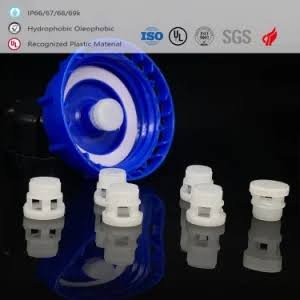
ePTFE Vent Plug Products from Ventrase
ePTFE Membrane vs Traditional Waterproof Materials
| Performance | Traditional Materials | ePTFE Membrane |
|---|---|---|
| Waterproof Protection | Good | Excellent |
| Breathability | Limited | High |
| Pressure Equalization | No | Yes |
| Chemical Resistance | Depends on material | Excellent |
How to Select the Right ePTFE Vent Solution?
Engineers should consider several factors when selecting an ePTFE vent membrane:
- Required airflow rate
- Water entry pressure requirement
- Chemical compatibility
- Installation method
- Operating environment
For customized industrial vent solutions:
Contact Ventrase Engineering Team
Frequently Asked Questions
Is ePTFE membrane waterproof?
Yes. The hydrophobic microporous structure prevents liquid water penetration while allowing air and vapor transmission.
What industries use ePTFE vent membranes?
They are commonly used in electronics, battery systems, industrial packaging, chemical containers, and outdoor equipment.
Why is ePTFE both waterproof and breathable?
The unique pore structure allows gas molecules to pass while blocking larger liquid water droplets.
Conclusion
ePTFE vent membrane technology provides an effective solution for products that require both environmental protection and controlled ventilation.
By combining waterproof performance, breathable airflow, and pressure equalization, ePTFE membranes improve reliability across many industrial applications.
For product solutions and customized vent components: