
How to Choose the Right ePTFE Vent Membrane for Your Application

Choosing an ePTFE vent membrane is not simply a matter of selecting the largest or most breathable membrane. The right venting solution must balance airflow, waterproof protection, pressure equalization, chemical resistance, temperature performance, and installation requirements.
For engineers developing chemical containers, industrial equipment, electronic enclosures, battery systems, and other sealed products, understanding these factors can help prevent pressure-related failures and improve long-term product reliability.
This guide explains how to select an ePTFE vent membrane according to real application requirements and when it makes sense to move from membrane selection to a complete ePTFE vent plug solution.
What Is an ePTFE Vent Membrane?
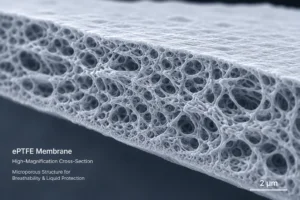
An ePTFE vent membrane is a microporous membrane made from expanded polytetrafluoroethylene. The expansion process creates a three-dimensional network of microscopic pores.
These pores allow air and other gases to pass through while the hydrophobic membrane structure helps prevent liquid water from entering.
This combination gives ePTFE its characteristic waterproof and breathable performance.
- Air and gas exchange
- Pressure equalization
- Water resistance
- Protection against dust and contaminants
- Chemical resistance
- Long-term venting performance
For more technical information, see the Ventrase ePTFE Membrane Knowledge Center.
Why Is Membrane Selection Important?
An ePTFE membrane that works well in one application may not be suitable for another.
A small electronic enclosure may require relatively low airflow but excellent waterproof protection. A chemical container may need higher airflow because pressure can change during storage and transportation.
Battery enclosures, outdoor electronics, industrial equipment, and agrochemical packaging can also have very different environmental and performance requirements.
The main factors to evaluate are:
- Airflow requirement
- Waterproof performance
- Pressure conditions
- Chemical environment
- Operating temperature
- Contamination risk
- Installation method
- Required service life
1. Determine the Required Airflow
Airflow is one of the most important parameters when selecting an ePTFE vent membrane.
The vent must allow sufficient gas exchange to manage pressure changes within the required time. Insufficient airflow can result in slow pressure equalization, while excessive airflow may not provide any practical advantage for a particular application.
Required airflow depends on factors such as:
- Internal enclosure or container volume
- Temperature change
- Rate of pressure change
- Gas generation
- Altitude variation
- Filling and emptying processes
- Container size
For packaging applications, a large chemical container or drum may require a different airflow level from a small pesticide bottle.
Ventrase provides different vent plug sizes and airflow options for different packaging requirements. See the ePTFE Vent Plug Series.
2. Check Waterproof Performance
A breathable membrane must also provide sufficient protection against liquid water.
This is one of the major advantages of hydrophobic ePTFE technology. The microporous structure allows gases to pass through while resisting liquid water penetration.
However, waterproof performance should not be evaluated from the membrane material alone. The complete vent assembly also matters.
Engineers should consider:
- Membrane structure
- Pore characteristics
- Water entry pressure
- Vent housing design
- Sealing method
- Installation quality
- Actual environmental conditions
For outdoor equipment, industrial enclosures, and packaging exposed to rain, washing, or condensation, waterproof performance can be critical.
You can also review Ventrase’s ePTFE membrane technology and technical resources covering waterproof breathable performance.
3. Understand the Pressure Equalization Requirement
The primary function of many vent membranes is pressure equalization.
A sealed container or enclosure can develop internal pressure differences because of temperature changes, altitude changes, transportation, chemical reactions, gas generation, battery operation, or cooling and heating cycles.
A pressure equalization vent creates a controlled pathway for air and gas exchange.
This can help reduce stress on:
- Seals
- Caps
- Container walls
- Enclosures
- Electronic components
The objective is not simply to create an opening. The objective is to allow controlled gas exchange while maintaining environmental protection.
For more information, visit the Ventrase technical platform for pressure equalization and vent membrane engineering resources.
4. Consider Chemical Compatibility
For chemical and agrochemical packaging, membrane material selection becomes particularly important.
The vent may be exposed to:
- Pesticides
- Fertilizers
- Lubricants
- Cleaning chemicals
- Industrial fluids
- Chemical vapors
ePTFE provides strong chemical resistance, but the complete vent system should still be evaluated against the actual formulation.
Important testing variables include:
- Chemical concentration
- Exposure time
- Operating temperature
- Liquid contact
- Vapor exposure
- Pressure conditions
For demanding packaging applications, sample testing with the actual container, closure, vent and liquid is recommended before mass production.
For application-specific packaging solutions, see chemical packaging vent solutions and agrochemical packaging vent solutions.
5. Evaluate Operating Temperature
Temperature changes affect both internal pressure and material performance.
Outdoor equipment may experience large temperature cycles, while chemical packaging can encounter high or low temperatures during transportation and storage.
When selecting an ePTFE vent membrane, consider:
- Minimum operating temperature
- Maximum operating temperature
- Temperature cycling
- Chemical exposure at elevated temperatures
- Thermal expansion of the enclosure
The membrane is only one part of the system. The housing, adhesive, seal and surrounding container material should also remain stable throughout the expected operating range.
6. Choose the Correct Vent Structure
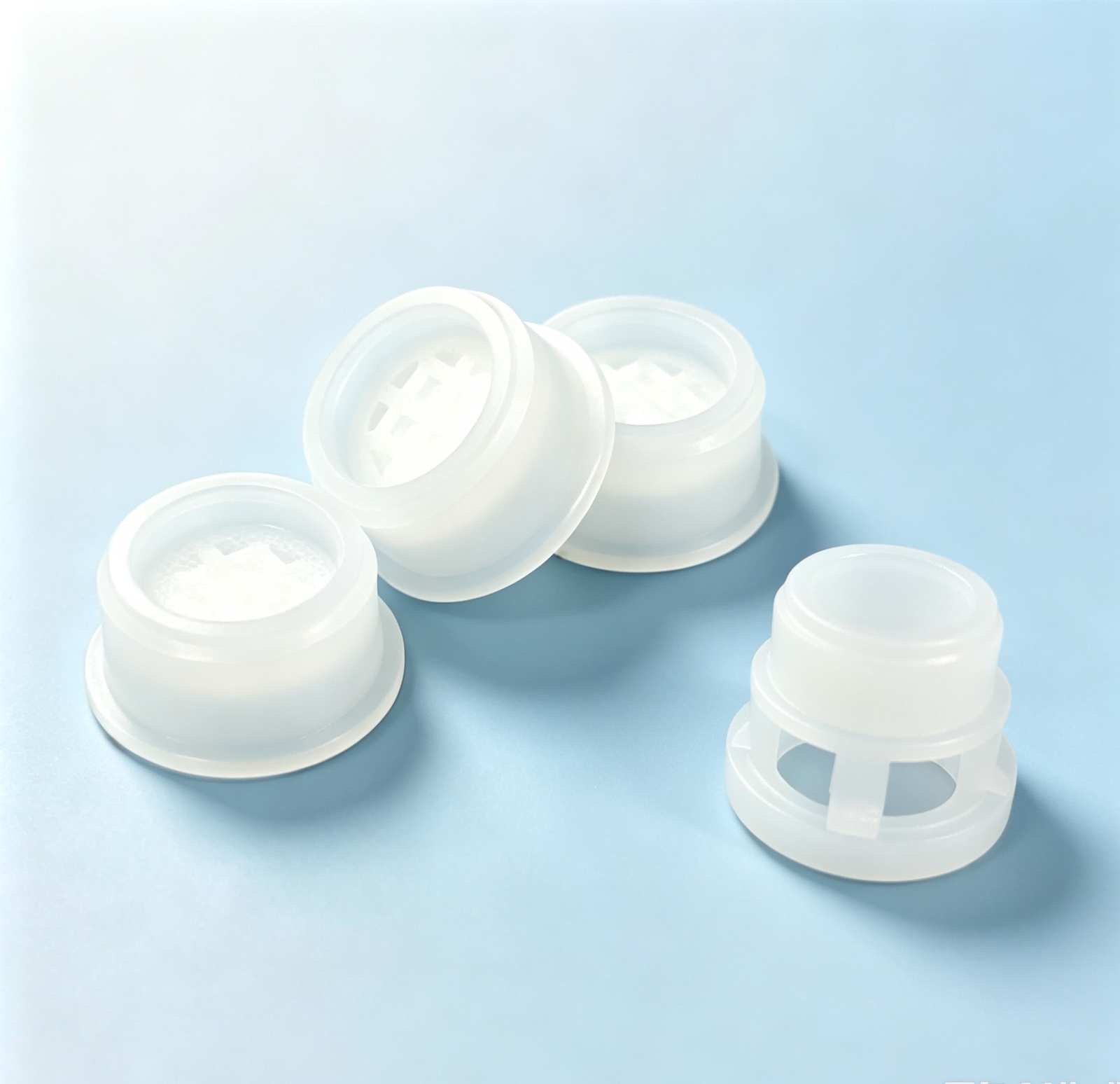
An ePTFE membrane can be integrated into different vent structures depending on the application.
Vent Plug
A vent plug is installed into a dedicated opening in a container or enclosure. This configuration is commonly used for chemical packaging, industrial containers, drums, electronic housings and battery enclosures.
Ventrase offers press-fit ePTFE vent plugs in different sizes, including D15, D17 and D38 drum vent plug solutions.
Vent Liner
A vent liner integrates breathable membrane technology into a sealing liner. This can be useful for bottles and caps where the venting function needs to be incorporated into the existing closure system.
Explore Ventrase breathable vent liner solutions for packaging applications.
Adhesive Vent
Adhesive vent membranes can be used when a dedicated press-fit or threaded opening is not suitable. The best structure depends on the enclosure design, available space, production process and required sealing performance.
7. Match the Vent to the Application
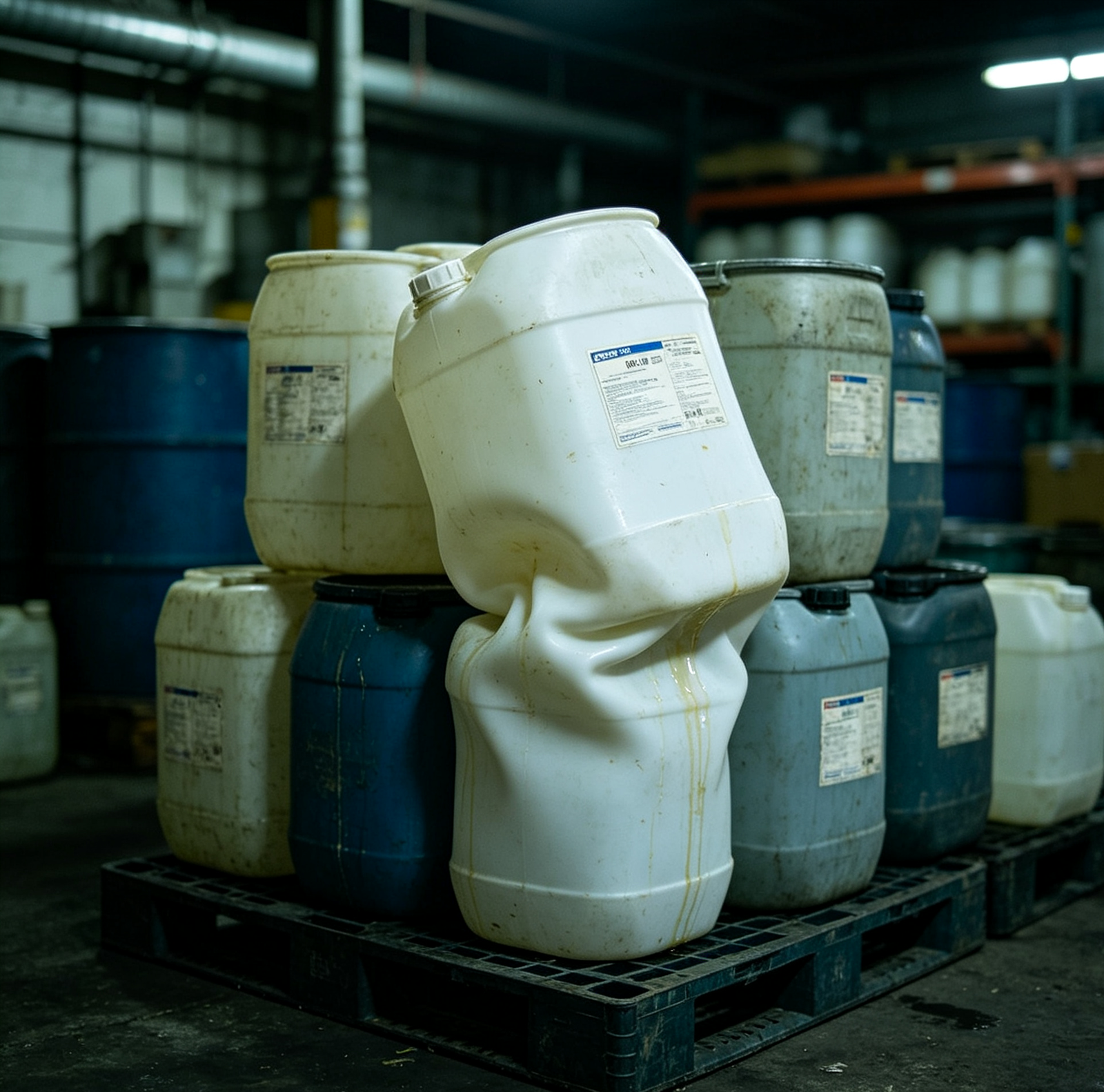
Chemical Packaging
Chemical containers can experience pressure changes during storage and transportation. A suitable ePTFE vent can provide pressure equalization while helping protect against liquid leakage and external contamination.
Explore chemical packaging vent solutions →
Agrochemical Packaging
Pesticides, herbicides, fungicides and fertilizers can create demanding packaging conditions. Proper venting can help reduce pressure-related deformation and leakage risks.
Explore agrochemical packaging vent solutions →
Battery Systems
Battery enclosures require controlled pressure management while maintaining protection against moisture and environmental contamination.
Explore battery vent solutions →
Electronics and Industrial Equipment
Electronic and industrial housings may need to equalize pressure without sacrificing protection against water and dust.
ePTFE vent membranes provide a controlled pathway for gas exchange while helping protect sensitive components.
ePTFE Membrane vs. PE and PP Membranes
Not every application requires ePTFE. PE and PP membranes can be suitable when general breathability and cost are the primary requirements.
ePTFE is often selected when the application requires a stronger combination of waterproof protection, airflow, chemical resistance and pressure equalization.
The correct material should therefore be selected according to the actual application rather than simply choosing the most advanced material.
For technical comparison information, visit the ePTFE Membrane Knowledge Center.
When Should You Use an ePTFE Vent Plug?
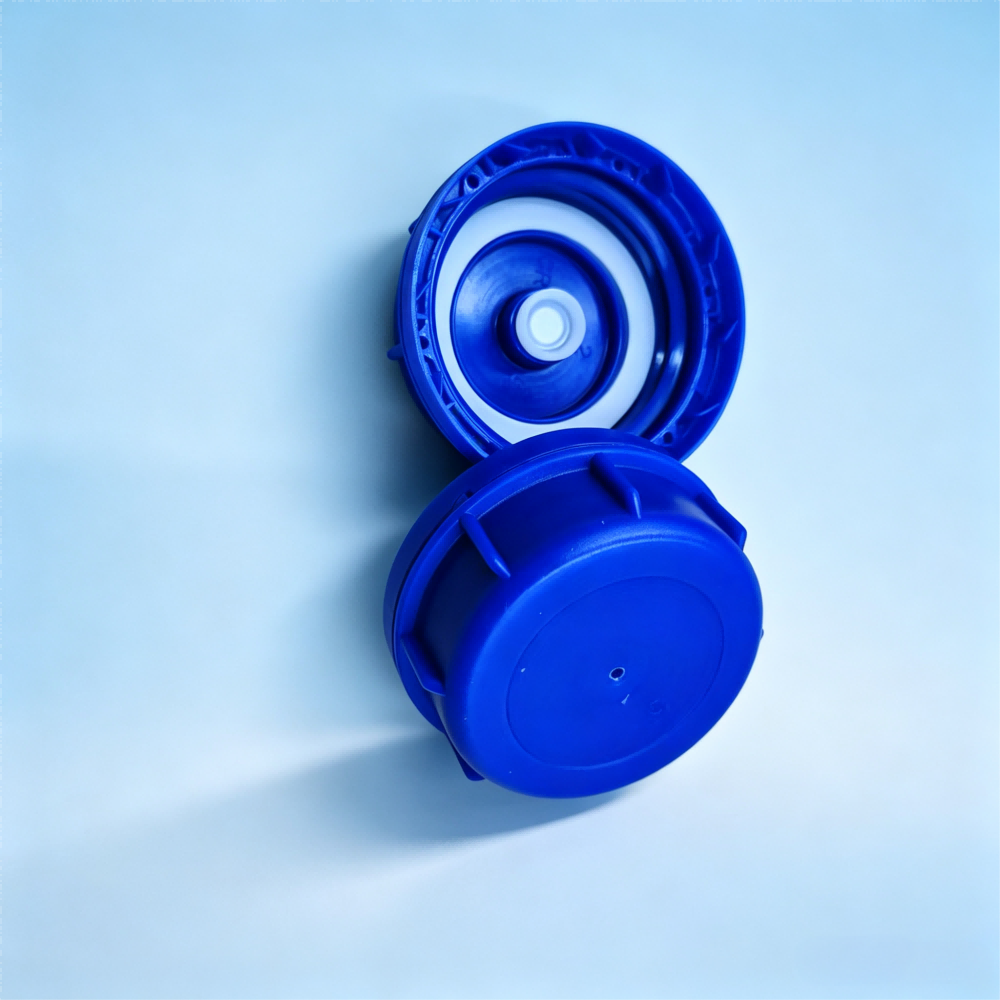
An ePTFE vent plug is a practical choice when the application requires a complete venting component rather than a membrane alone.
The vent plug combines the membrane with a housing and installation structure, simplifying integration into a container or enclosure.
D10 Press-Fit ePTFE Vent Plug
A compact vent plug solution for smaller containers and applications requiring controlled pressure equalization.
D15 Press-Fit ePTFE Vent Plug
A versatile solution for chemical packaging, lubricant containers and general industrial applications.
D17 Press-Fit ePTFE Vent Plug
A higher-airflow solution for larger containers and demanding applications requiring stable pressure management.
D38 Drum ePTFE Vent Plug
A heavy-duty venting solution for drums and large-volume industrial containers.
A Simple ePTFE Vent Selection Checklist
| Parameter | Questions to Ask |
|---|---|
| Application | Packaging, electronics, battery, automotive or industrial? |
| Container Volume | How large is the sealed space? |
| Airflow | How much gas exchange is required? |
| Pressure | What pressure difference must be managed? |
| Waterproofing | Is liquid water protection required? |
| Chemicals | What chemicals will contact the vent? |
| Temperature | What is the operating temperature range? |
| Installation | Press-fit, adhesive, liner or custom structure? |
| Environment | Indoor, outdoor, dusty, humid or chemically aggressive? |
Why Work With an ePTFE Vent Membrane Manufacturer?
For simple applications, selecting a standard membrane may be sufficient. For demanding applications, however, the vent is part of a larger system.
The membrane must work together with:
- Container material
- Vent housing
- Seal and closure
- Airflow requirement
- Pressure conditions
- Chemical environment
- Production process
This is why engineering support can be valuable during product development.
Ventrase provides ePTFE vent plugs, breathable vent liners and membrane solutions for packaging and industrial applications.
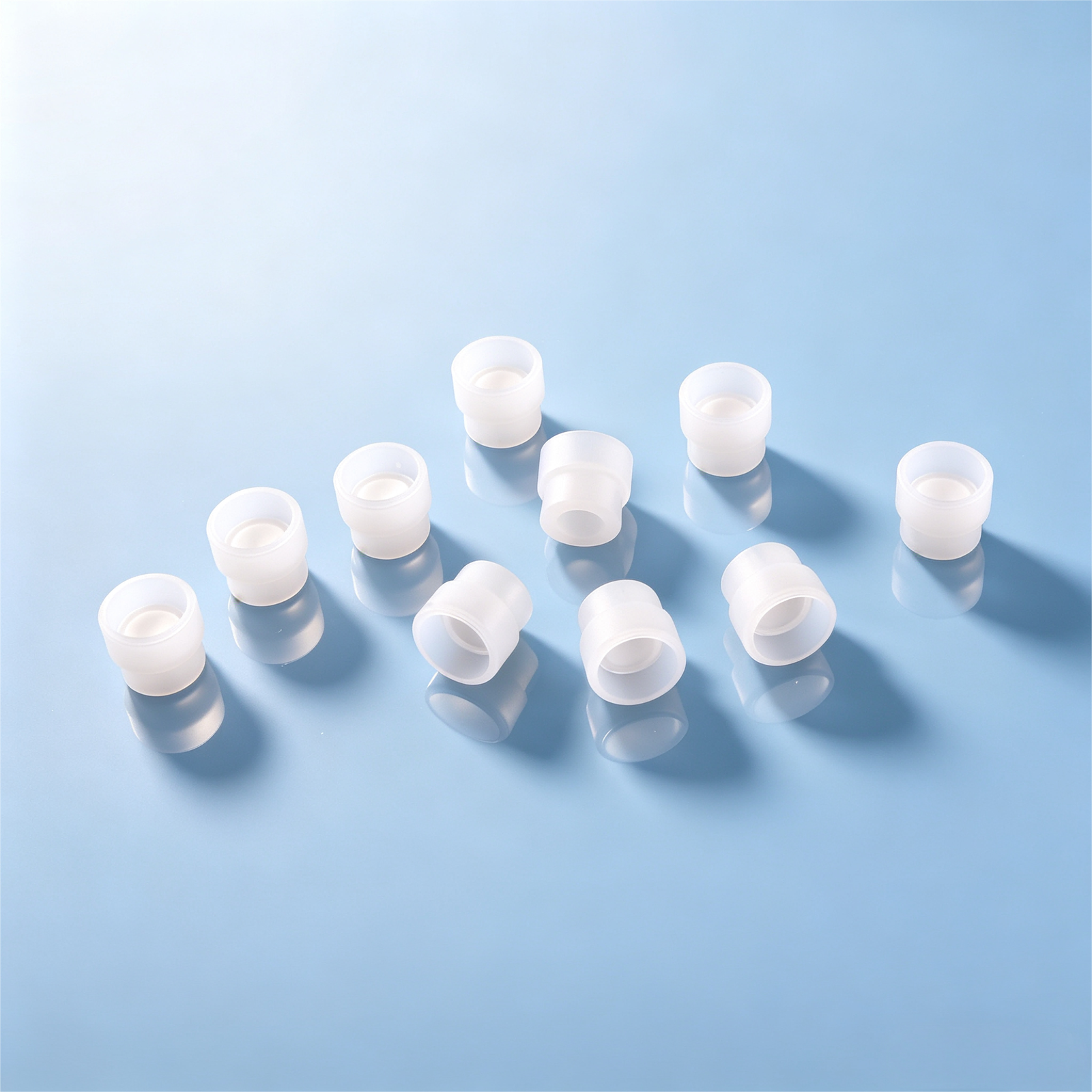
From ePTFE Membrane Technology to a Complete Venting Solution
Understanding ePTFE membrane technology is the first step. The next step is choosing a vent structure that matches the actual application.
For engineers working on chemical packaging, agrochemical containers, industrial equipment, battery systems, electronics and other sealed products, the right vent solution should balance airflow, pressure equalization, waterproof protection, chemical compatibility and installation requirements.
Ventrase.net provides technical information to help engineers understand the science behind waterproof breathable vent membranes.
For product specifications, samples, OEM development and application-specific venting solutions, visit Ventrase.com.
Frequently Asked Questions
What is the best ePTFE vent membrane?
There is no single best membrane for every application. The correct choice depends on airflow, waterproof performance, pressure requirements, chemical exposure, temperature and installation conditions.
How do I select an ePTFE vent?
Start by determining the required airflow, enclosure volume, pressure range, waterproof requirement, chemical environment, operating temperature and installation method.
Is ePTFE better than PE membrane?
ePTFE can provide a strong combination of waterproof performance, breathability, chemical resistance and pressure equalization. PE can be suitable for applications with less demanding performance requirements.
Can an ePTFE membrane prevent container swelling?
An ePTFE vent can help reduce pressure buildup by allowing controlled gas exchange. This can reduce the risk of swelling caused by internal pressure, although the final result depends on the container, product formulation, temperature and vent performance.
What is the difference between an ePTFE membrane and an ePTFE vent plug?
An ePTFE membrane is the functional breathable material. An ePTFE vent plug combines the membrane with a housing and installation structure to create a complete venting component.
Where can I buy ePTFE vent plugs?
Ventrase provides ePTFE vent plug solutions including D10, D15, D17 and D38 models for packaging and industrial applications. View the Ventrase vent plug range →