Waterproof Breathable Membrane: How It Protects Industrial Products
Modern industrial products often require sealed protection against water, dust and chemicals while still allowing air exchange. A waterproof breathable membrane provides an effective solution by combining waterproof protection with controlled gas permeability.
What Is a Waterproof Breathable Membrane?
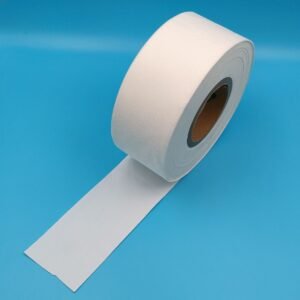
A waterproof breathable membrane is an advanced microporous material designed to allow air and vapor to pass through while preventing liquid water penetration.
Unlike traditional sealing materials that completely block airflow, breathable membranes create a controlled venting pathway. This helps maintain pressure balance inside sealed products and reduces stress caused by temperature and environmental changes.
Many industrial waterproof breathable membranes use expanded PTFE (ePTFE) technology because of its excellent combination of airflow performance, chemical resistance and waterproof capability.
Learn more about ePTFE membrane structure and performance:
Expanded PTFE (ePTFE) Membrane: Advanced Venting Technology
How Does Waterproof Breathable Membrane Technology Work?
The membrane contains millions of microscopic pores. These pores are small enough to block liquid water droplets but large enough to allow air molecules and vapor to pass through.
- Allows pressure equalization inside sealed systems
- Reduces condensation problems
- Prevents water and dust intrusion
- Improves product reliability and service life
Key Benefits of Waterproof Breathable Membranes
1. Waterproof Protection
The hydrophobic structure prevents liquid water from entering sensitive components, making the membrane suitable for outdoor equipment, industrial packaging and electronic housings.
2. Pressure Equalization
Temperature changes can create pressure differences inside sealed containers and enclosures. A breathable membrane allows air exchange to reduce pressure stress.
3. Chemical Resistance
High-performance ePTFE membranes provide excellent resistance against many chemicals, oils and solvents, making them suitable for demanding industrial environments.
4. Condensation Control
By allowing moisture vapor to escape, waterproof breathable membranes help reduce internal condensation and corrosion risks.
Applications of Waterproof Breathable Membranes
Industrial Packaging
Chemical containers, agricultural packaging and liquid products often experience pressure changes during transportation and storage. Breathable membranes help prevent bottle deformation and leakage.
Electronics Protection
Electronic housings require protection from rain, humidity and dust while maintaining internal pressure balance.
Automotive Components
Sensors, lighting systems and battery components benefit from waterproof vent technology.
Outdoor Equipment
Outdoor devices exposed to temperature cycling and weather changes require reliable breathable protection.
Waterproof Breathable Membrane vs Traditional Sealing Materials
| Feature | Traditional Seal | Breathable Membrane |
|---|---|---|
| Air Exchange | No | Yes |
| Water Protection | Good | Excellent |
| Pressure Balance | Limited | Excellent |
Ventrase Waterproof Breathable Membrane Solutions
Ventrase provides advanced waterproof breathable membrane solutions for industrial packaging, electronics and equipment protection.
Our membrane technologies include ePTFE materials, packaging vent membranes and customized venting solutions designed for different airflow, waterproof and chemical resistance requirements.
Explore our waterproof breathable membrane products:
Waterproof Breathable Membrane
For packaging applications, learn more about:
Conclusion
Waterproof breathable membranes provide a reliable balance between protection and ventilation. By combining waterproof performance, airflow control and pressure equalization, they help manufacturers improve product safety and durability in challenging environments.